Transforming urban spaces with playful interactions
Skills
Tools
Practice
Timeline
Group

The Problem
Many individuals struggle to take the first step beyond their routine in their daily lives.
Modern adult life is focused on productivity and measurable outcomes. this leaves barely any room for simple pointless moments of play and joy. Because of this, adults lack environments that support consequence free impulsive play that exist purely for momentary satisfaction
The Solution
Encourage people to make spontaneous decisions and explore new opportunities.
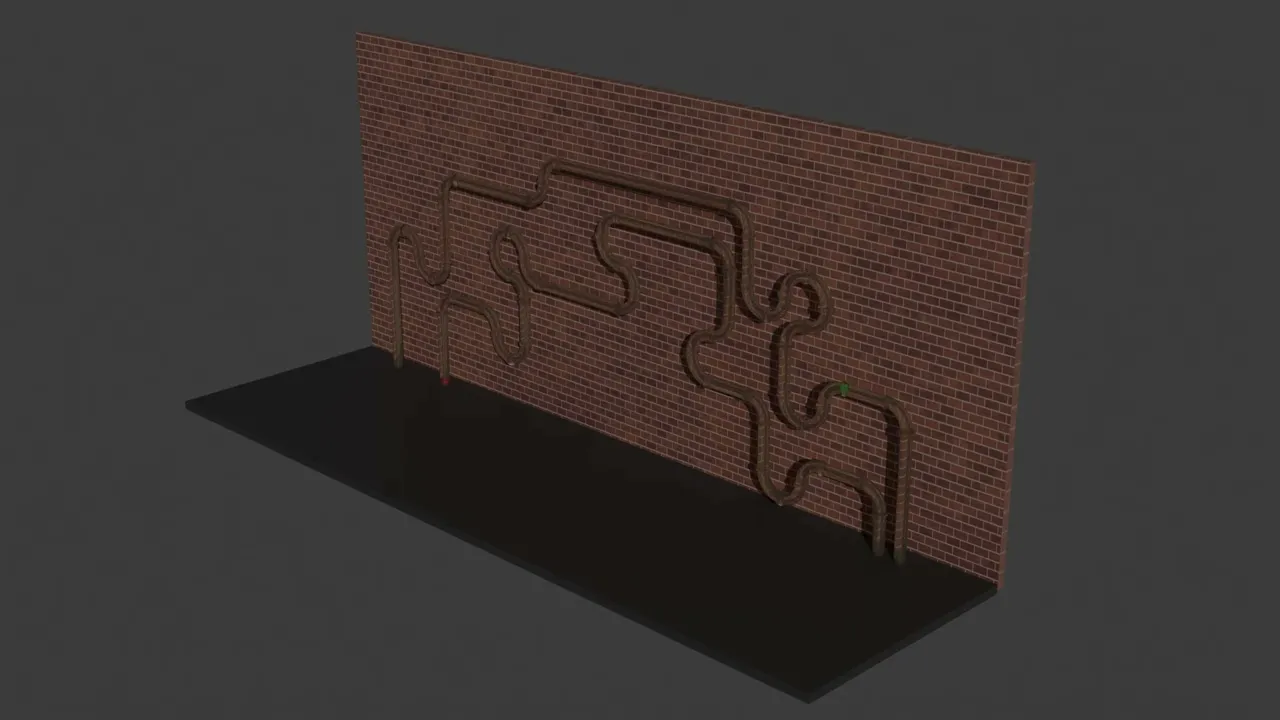
Act on Impulse is a series of small public installations that invite busy city workers to interrupt their routine with quick, spontaneous acts of play as they move through their day to help increase productivity and reduce stress
Defining Success
Success for this project to me is creating moments that encourage people to step outside their routine and engage with their surroundings in unexpected ways. If the installations are able to spark curiosity, invite play, and leave visitors with a memorable experience, then the project has achieved its purpose.
(1)
Exploring how interactive experiences can encourage people to engage with the unexpected.
(2)
Identifying who the experience is designed for and the barriers to participation
Defining The Audience
Understanding the individuals behind the behaviour
Personas
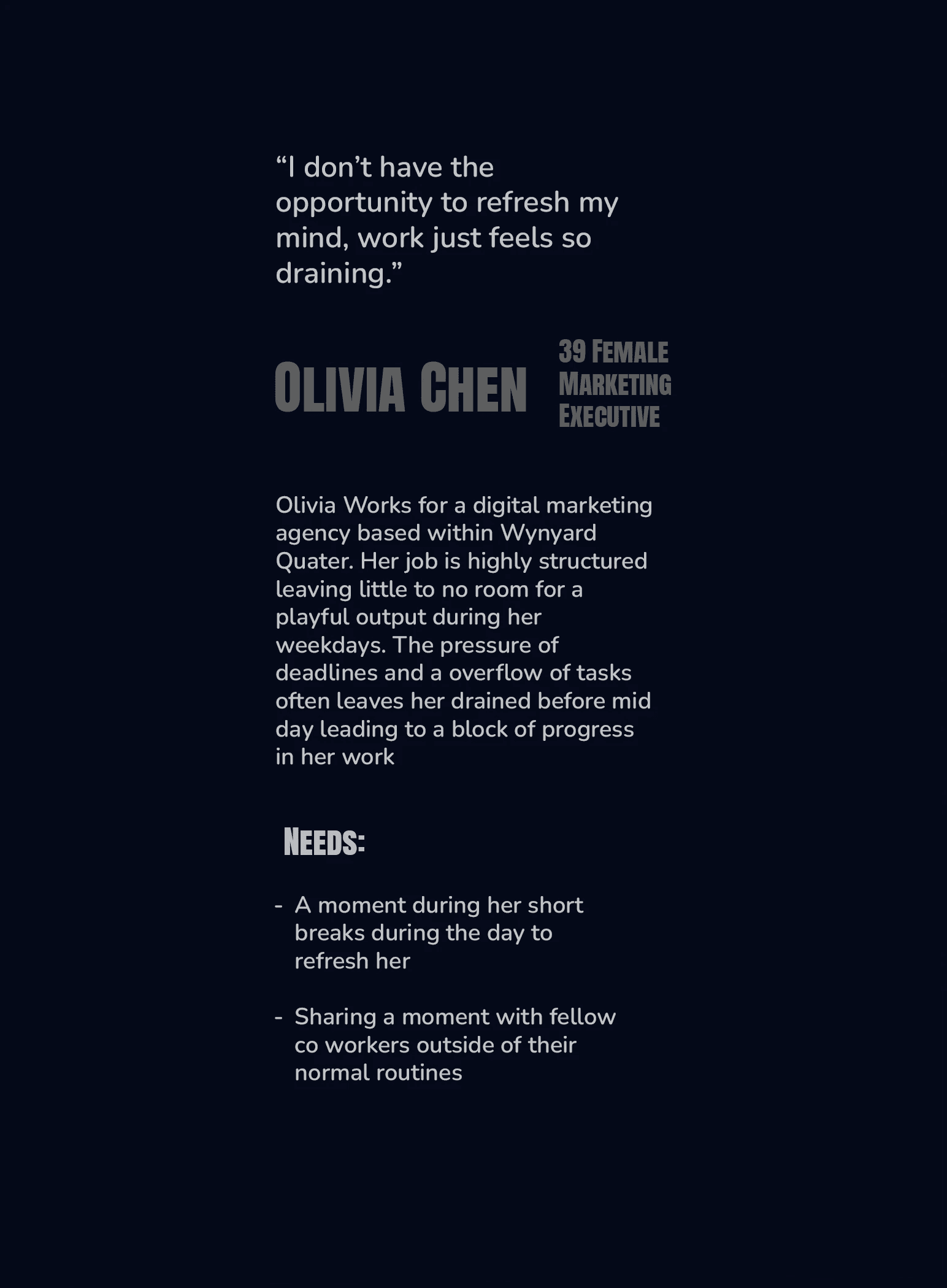
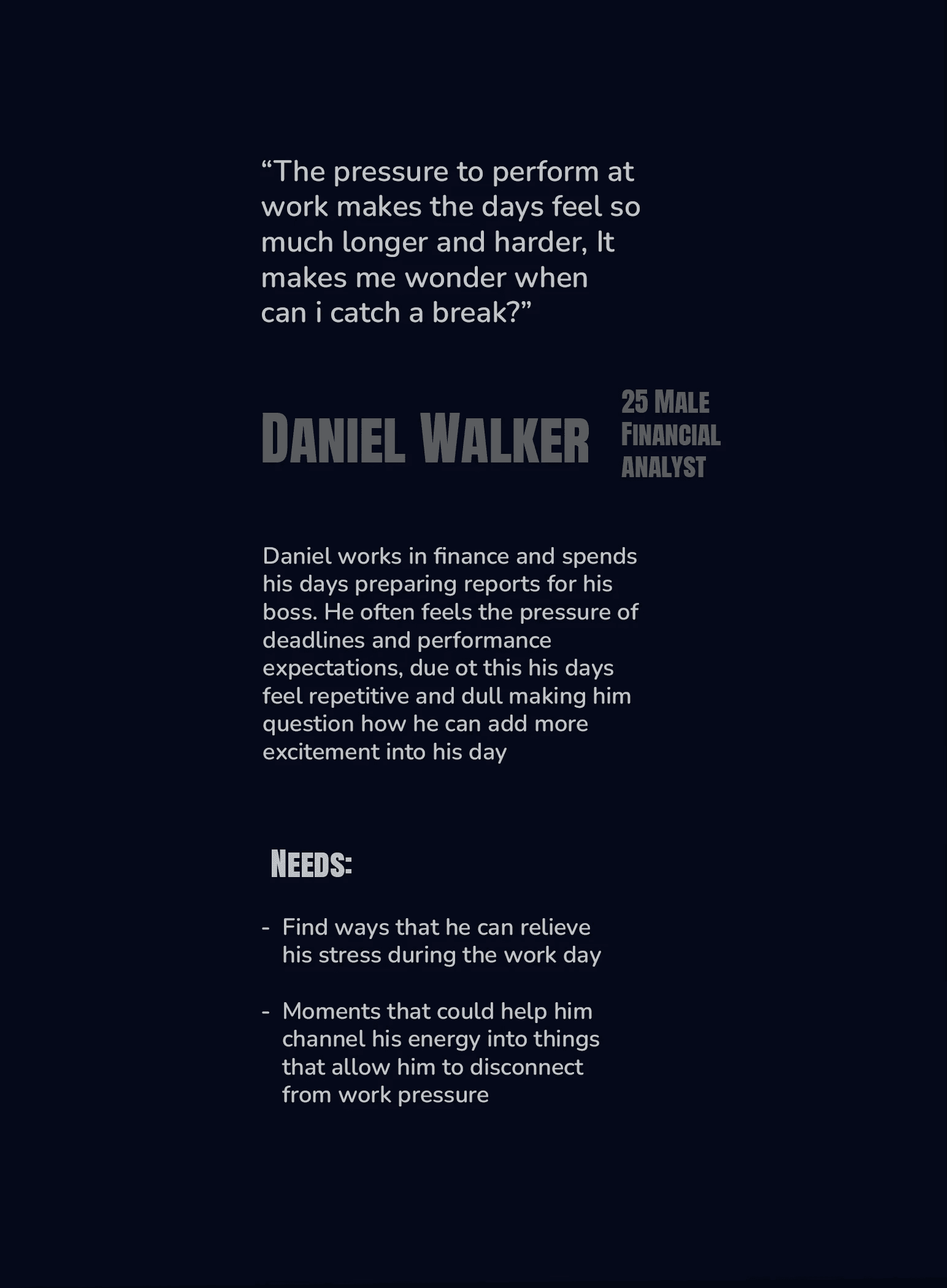
(3)
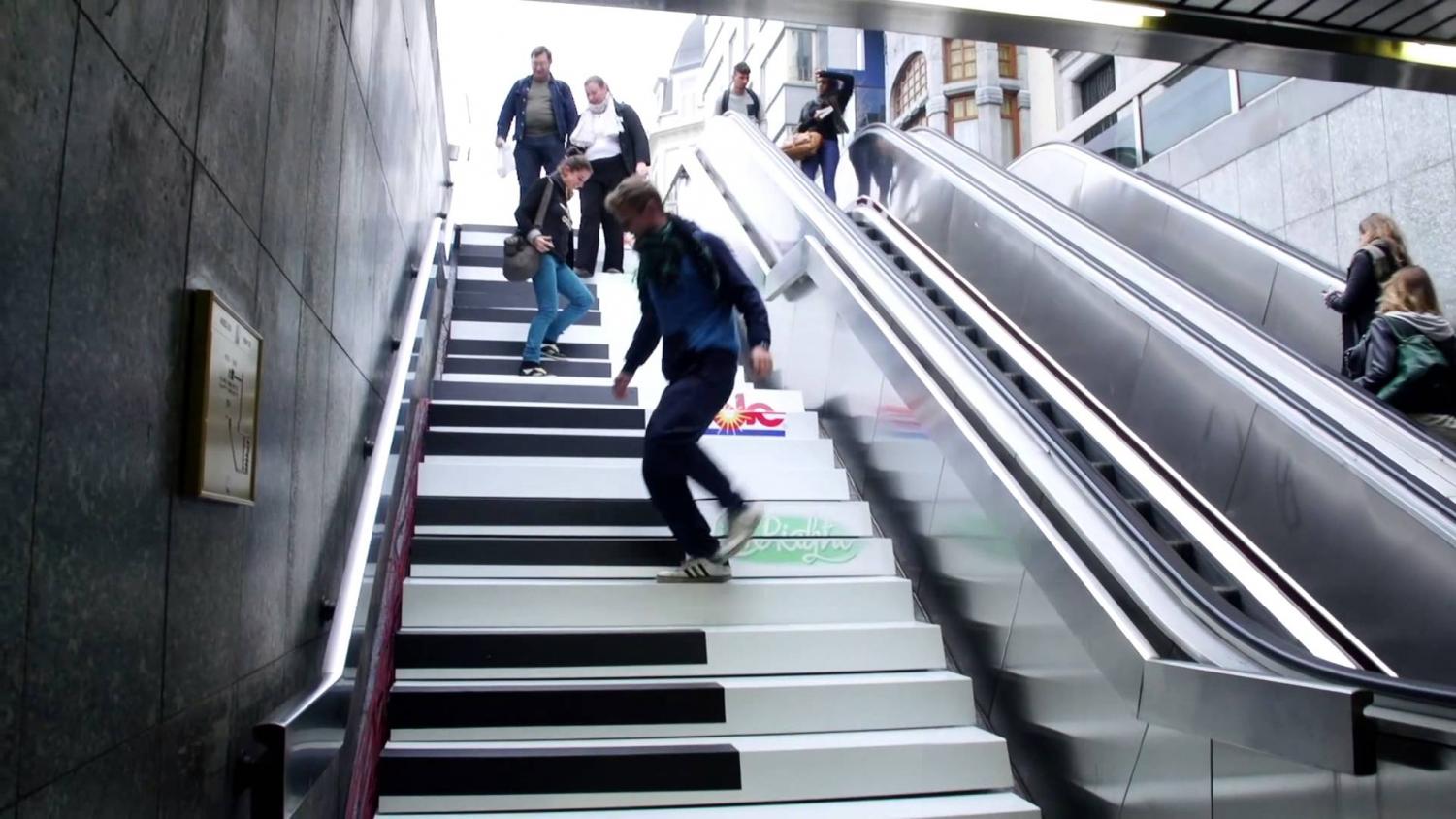
Analysing existing projects to understand how playful interactions can influence behaviour
Research into similar projects helped uncover how play can encourage spontaneous behaviour. A key influence was The Fun Theory – Piano Stairs, which showed how simple interactions can transform everyday actions and disrupt routine.
(4)
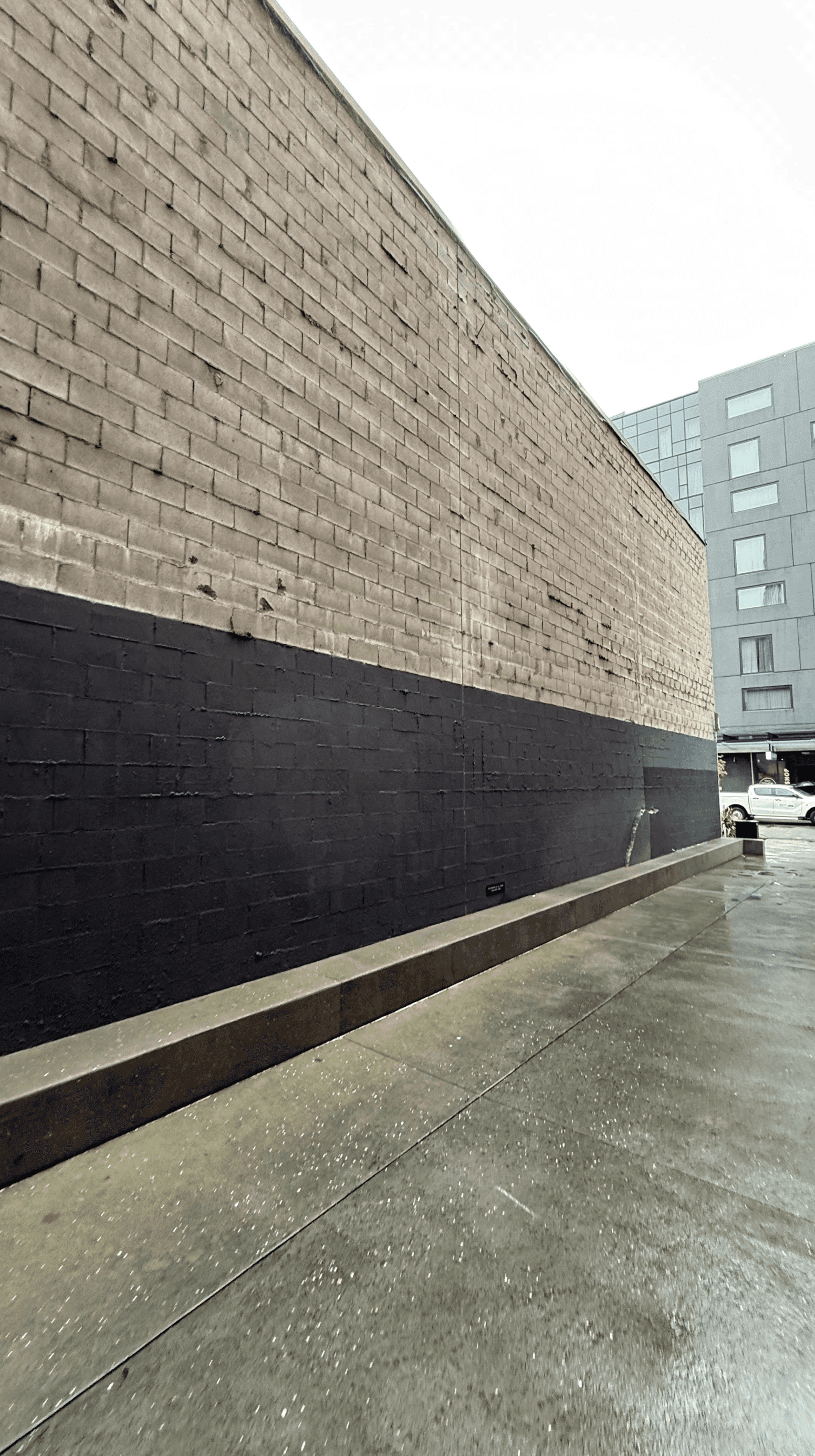
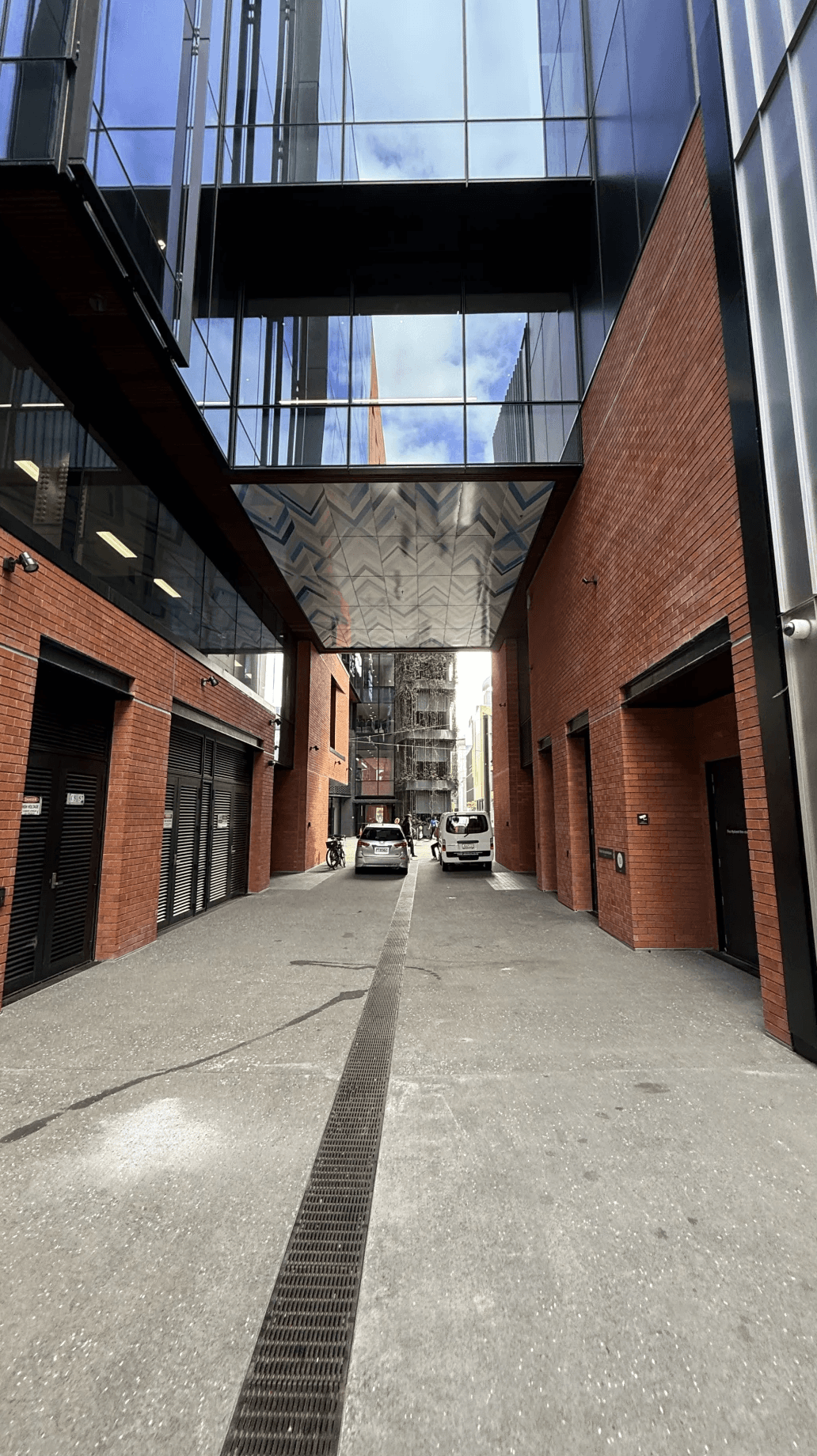
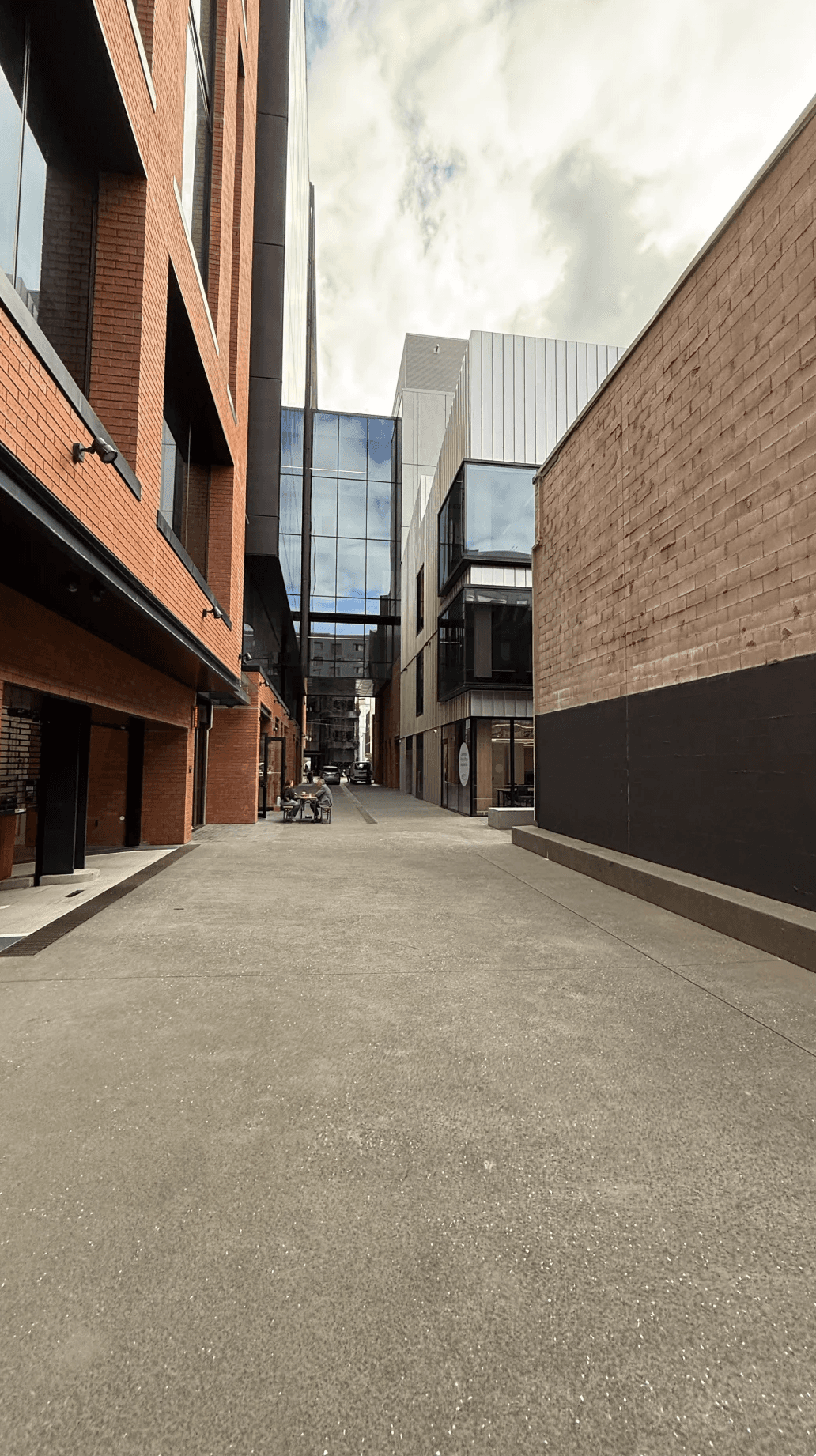
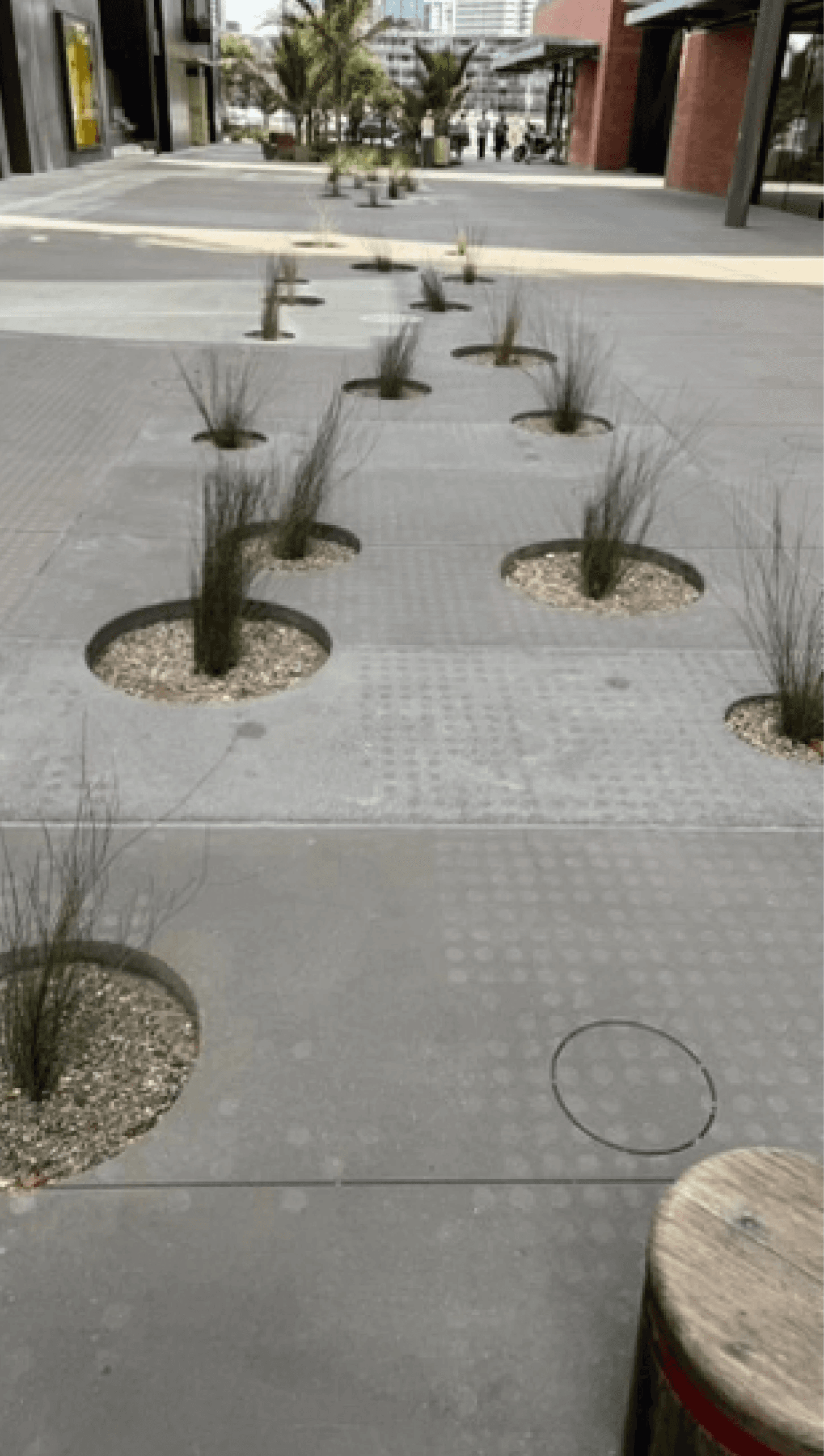
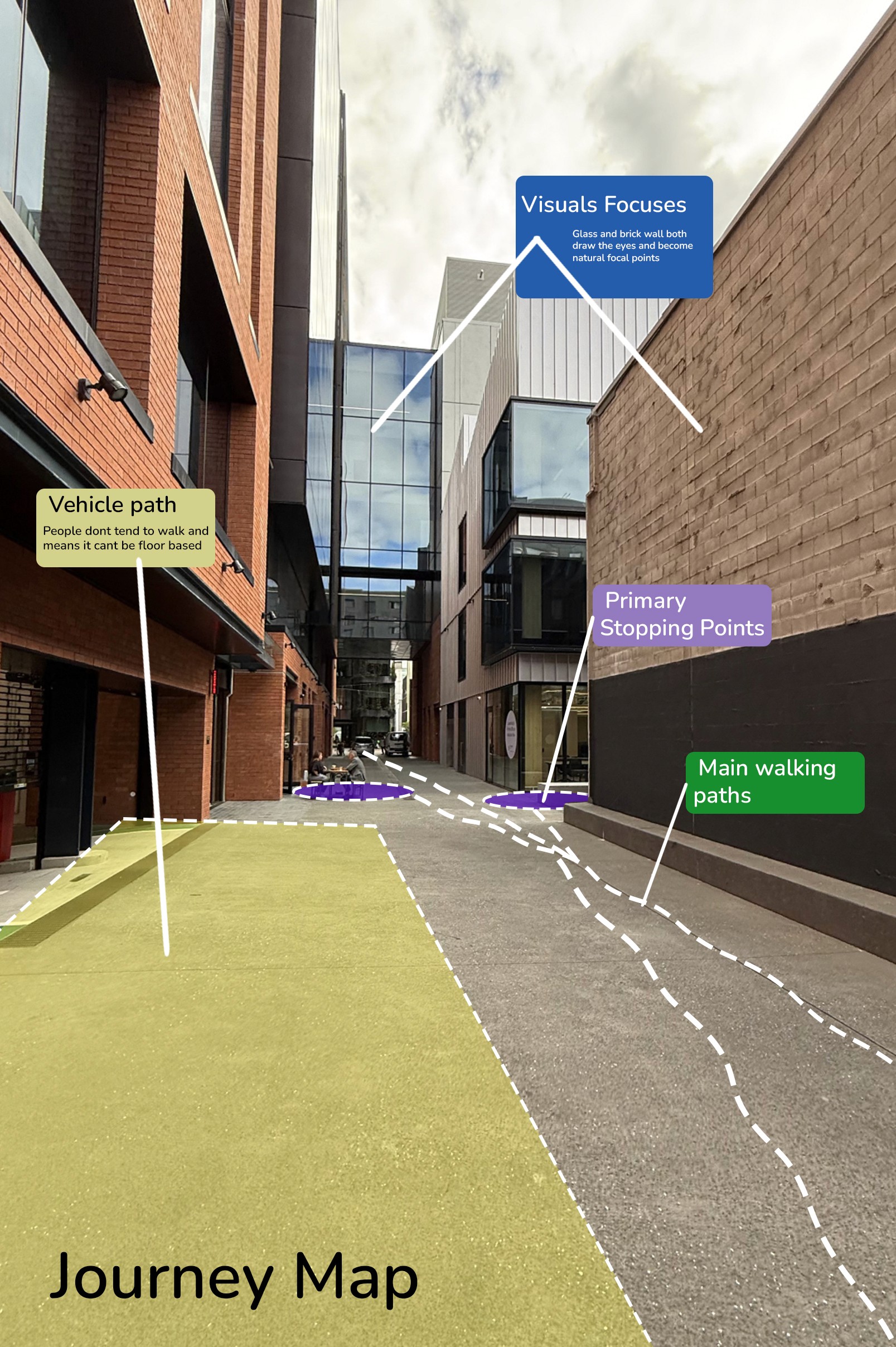
Investigating the Wynyard Quarter through observation, spatial analysis, and journey mapping
Understanding the Environment
(5)
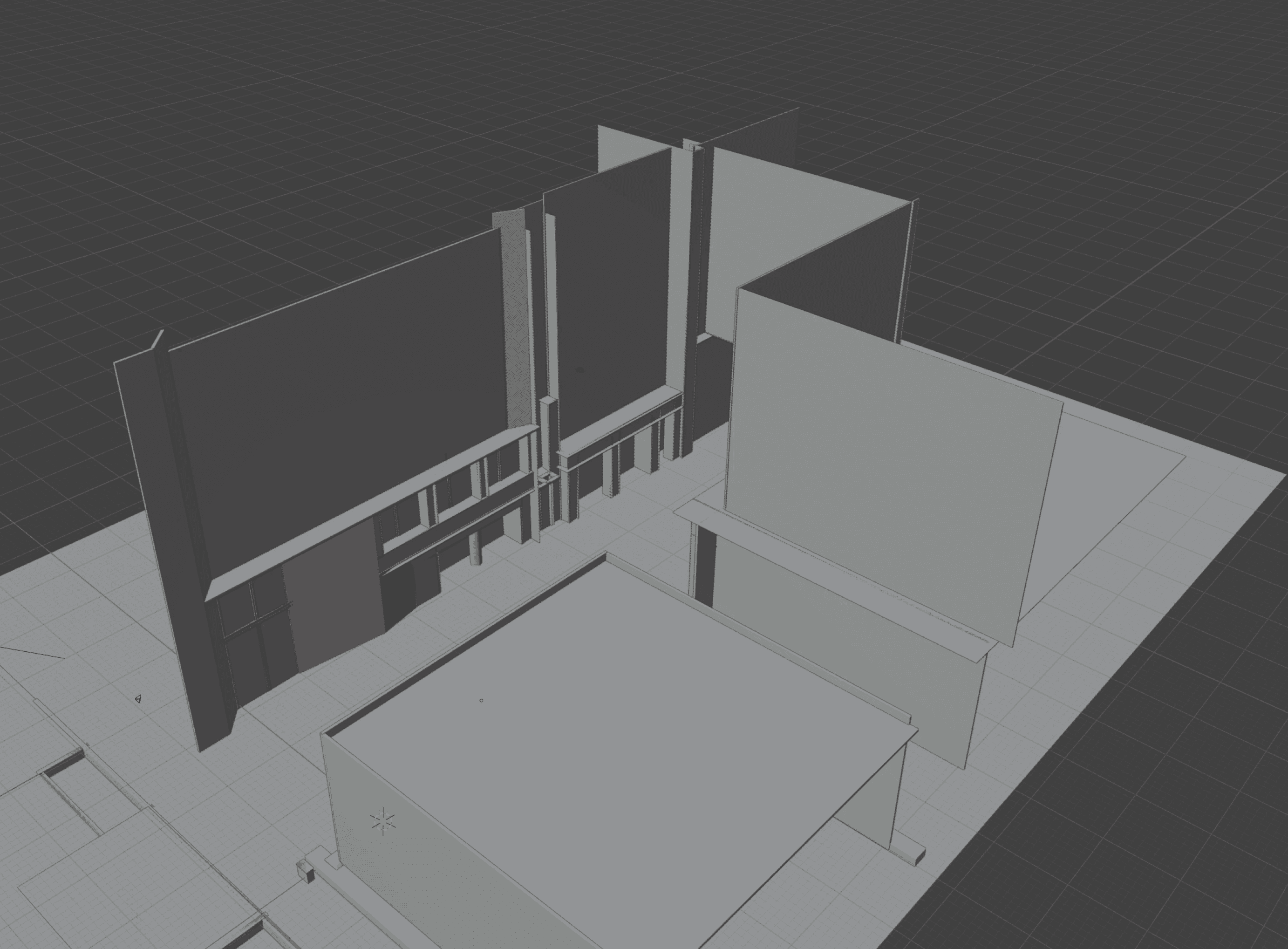
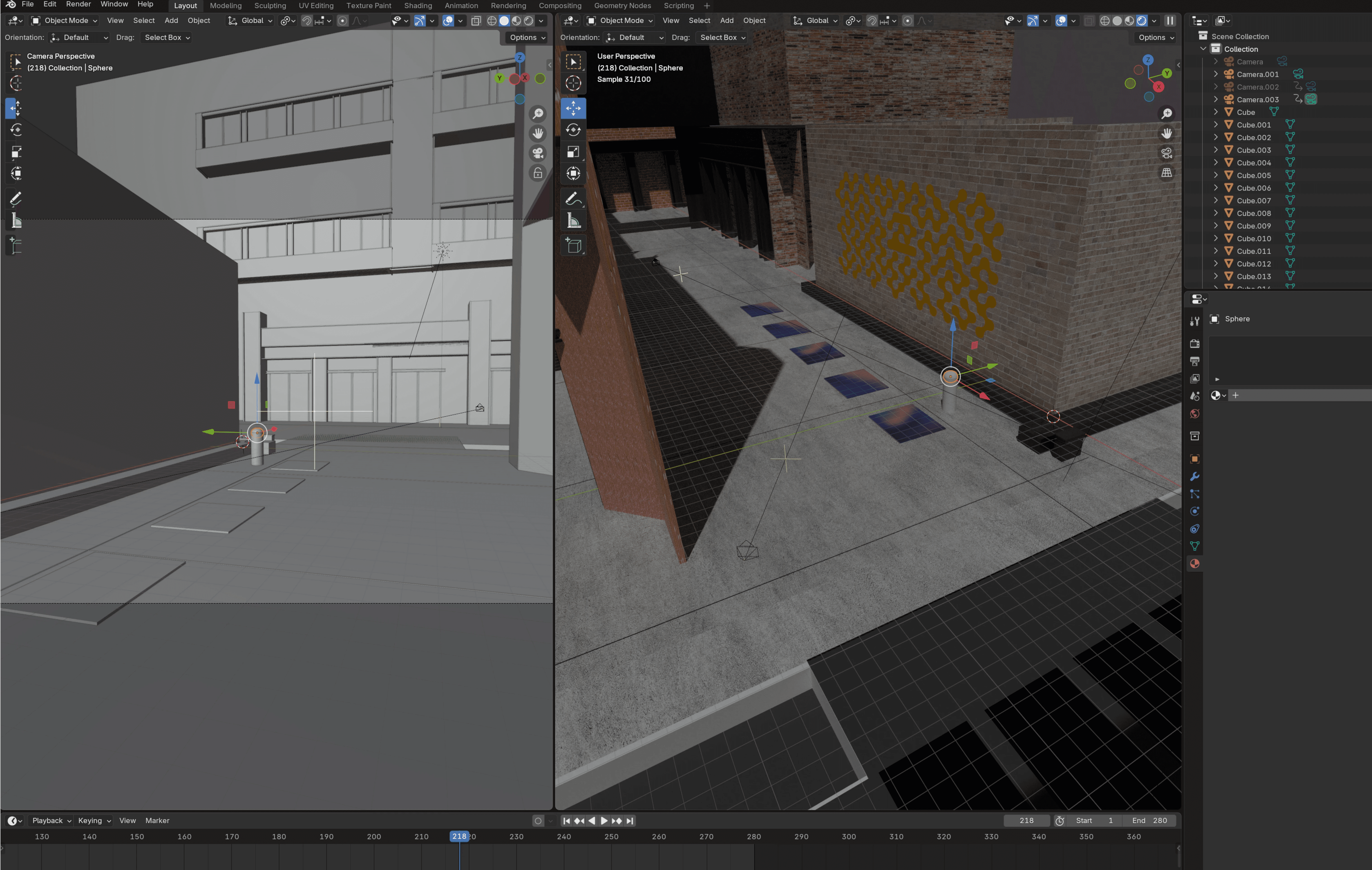
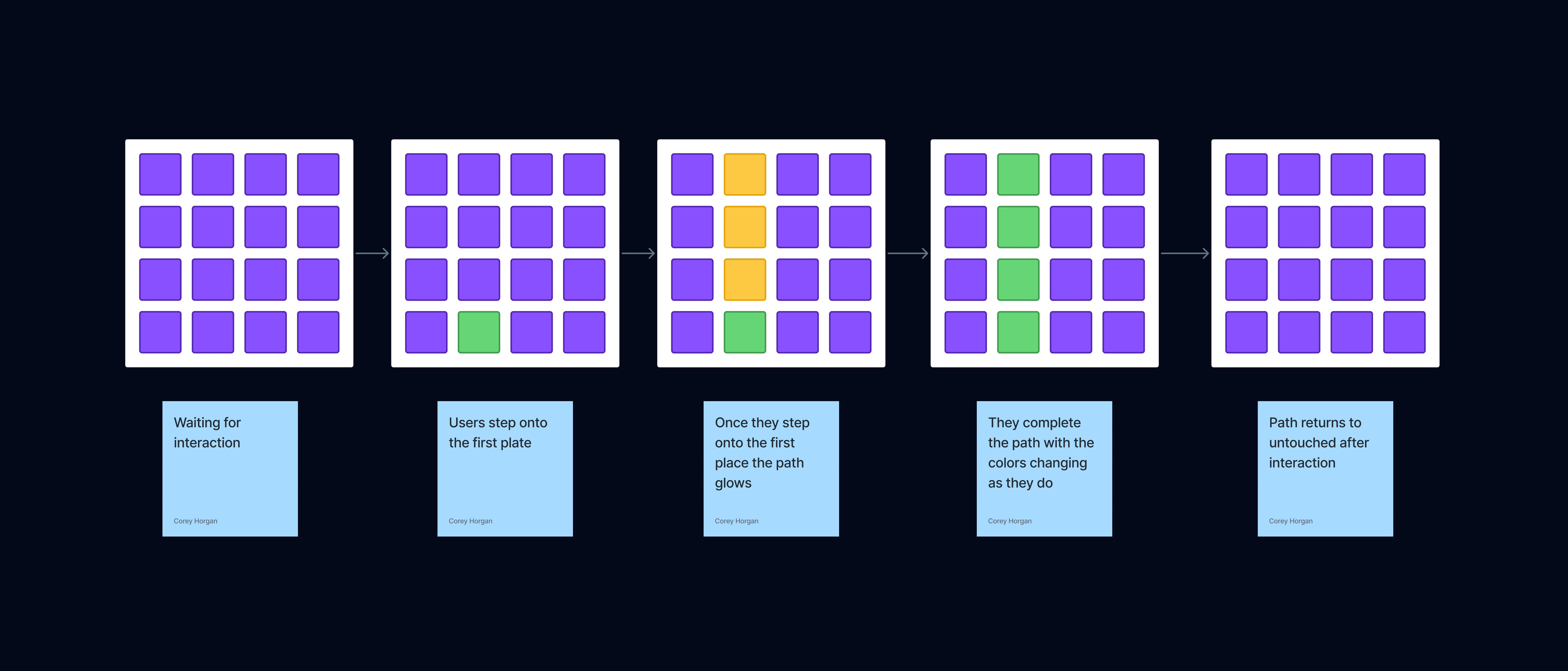
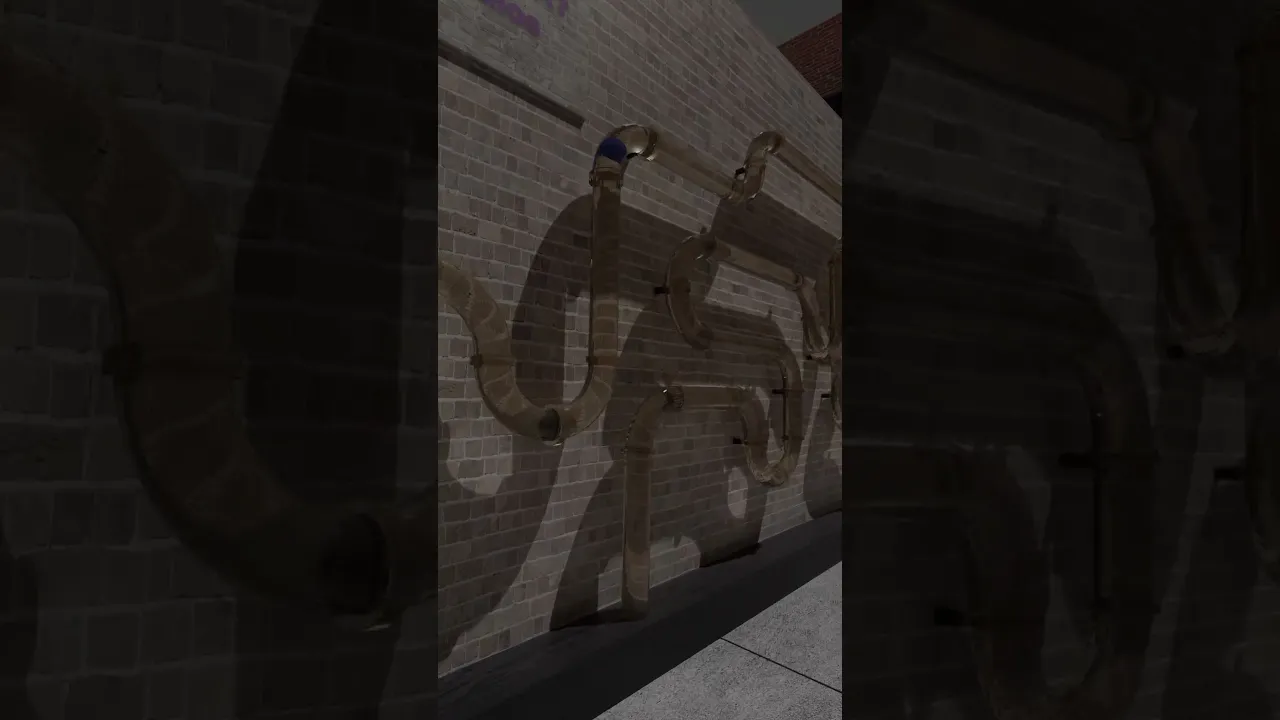
Developing selected concepts into detailed 3D visualizations to show how they could exist within the physical space
Different interaction ideas were explored to understand how people would naturally encounter and engage with each installation within the space. This helped to define how best to create a more cohesive experience across the different interactions
(6)
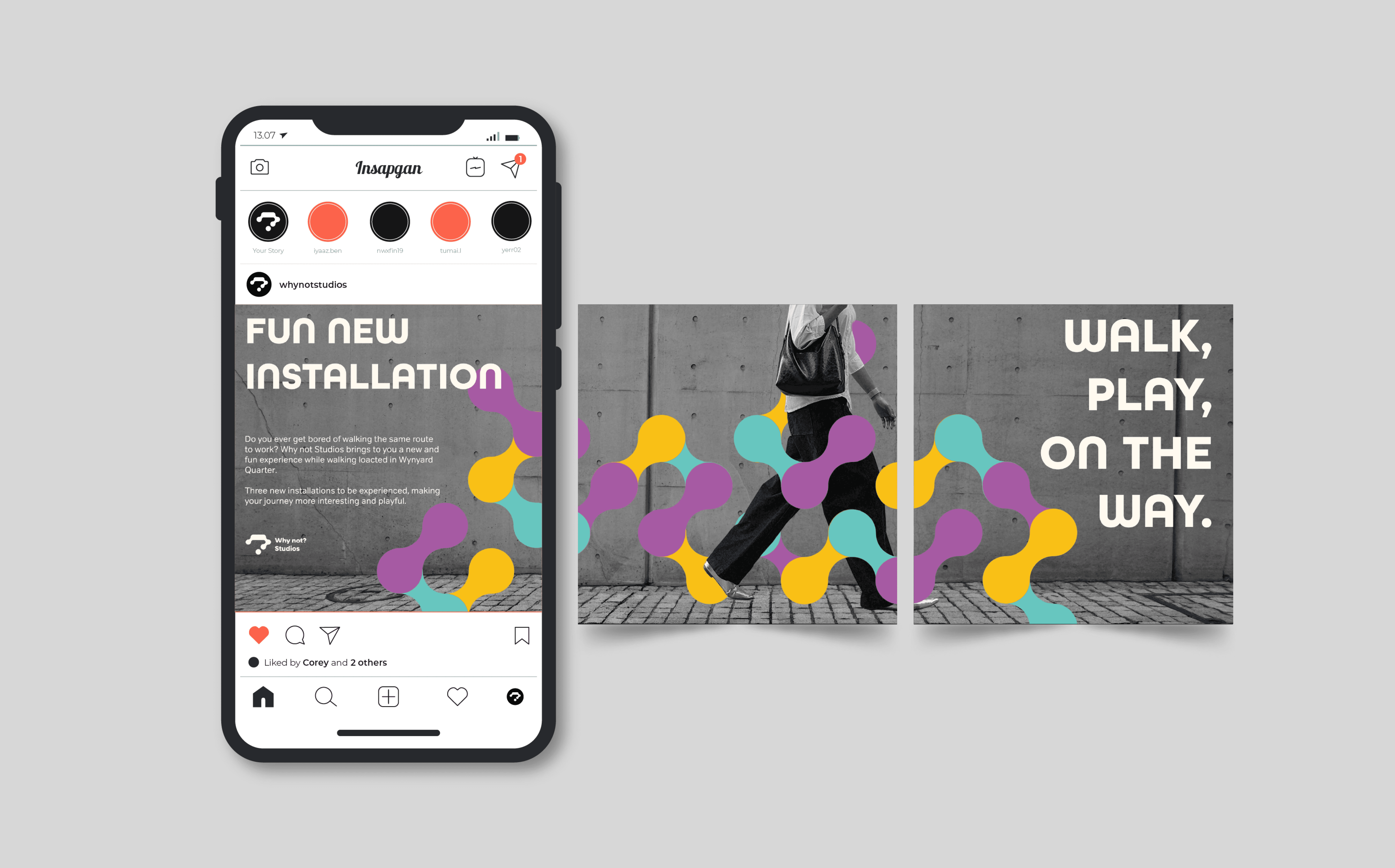
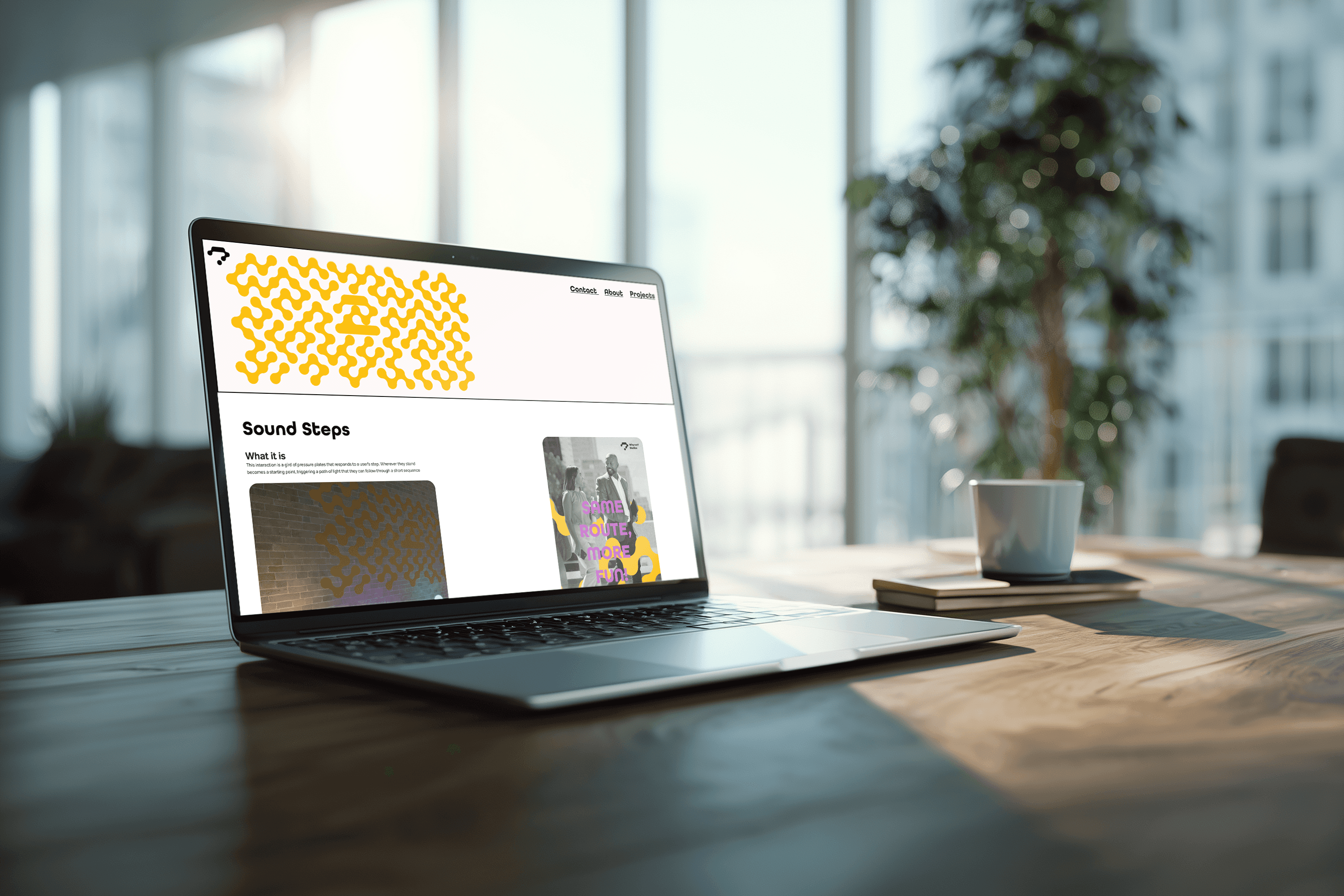
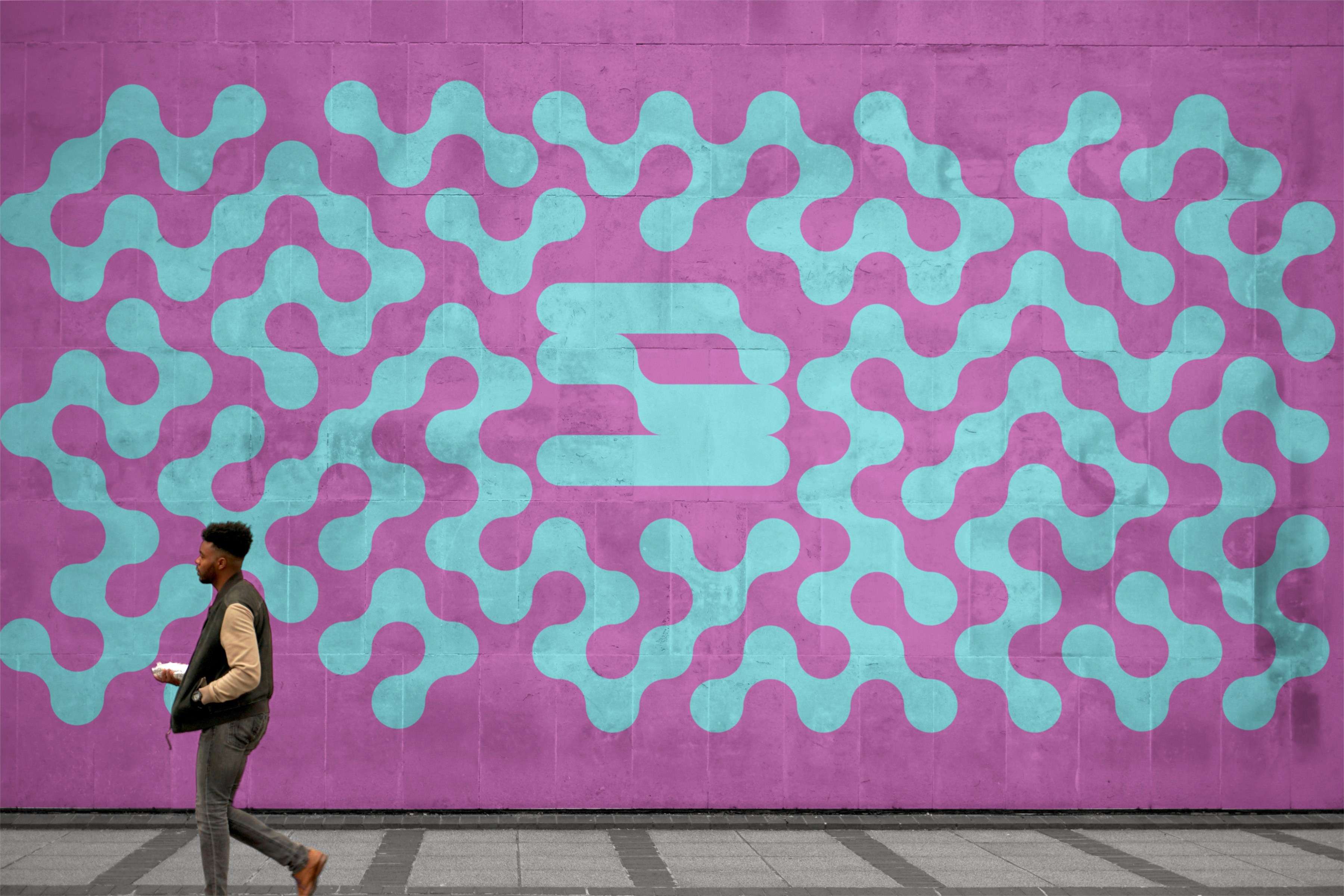
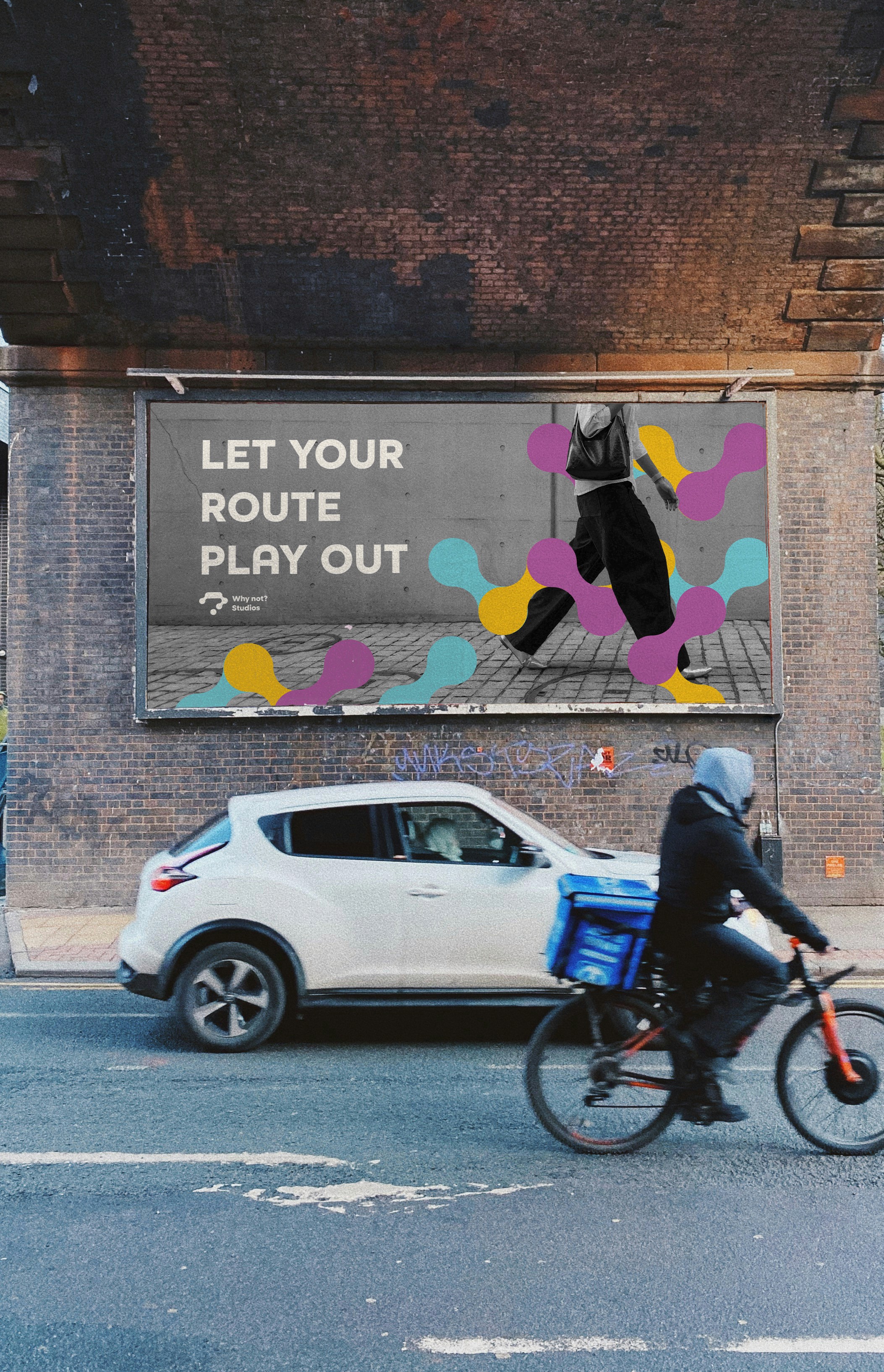
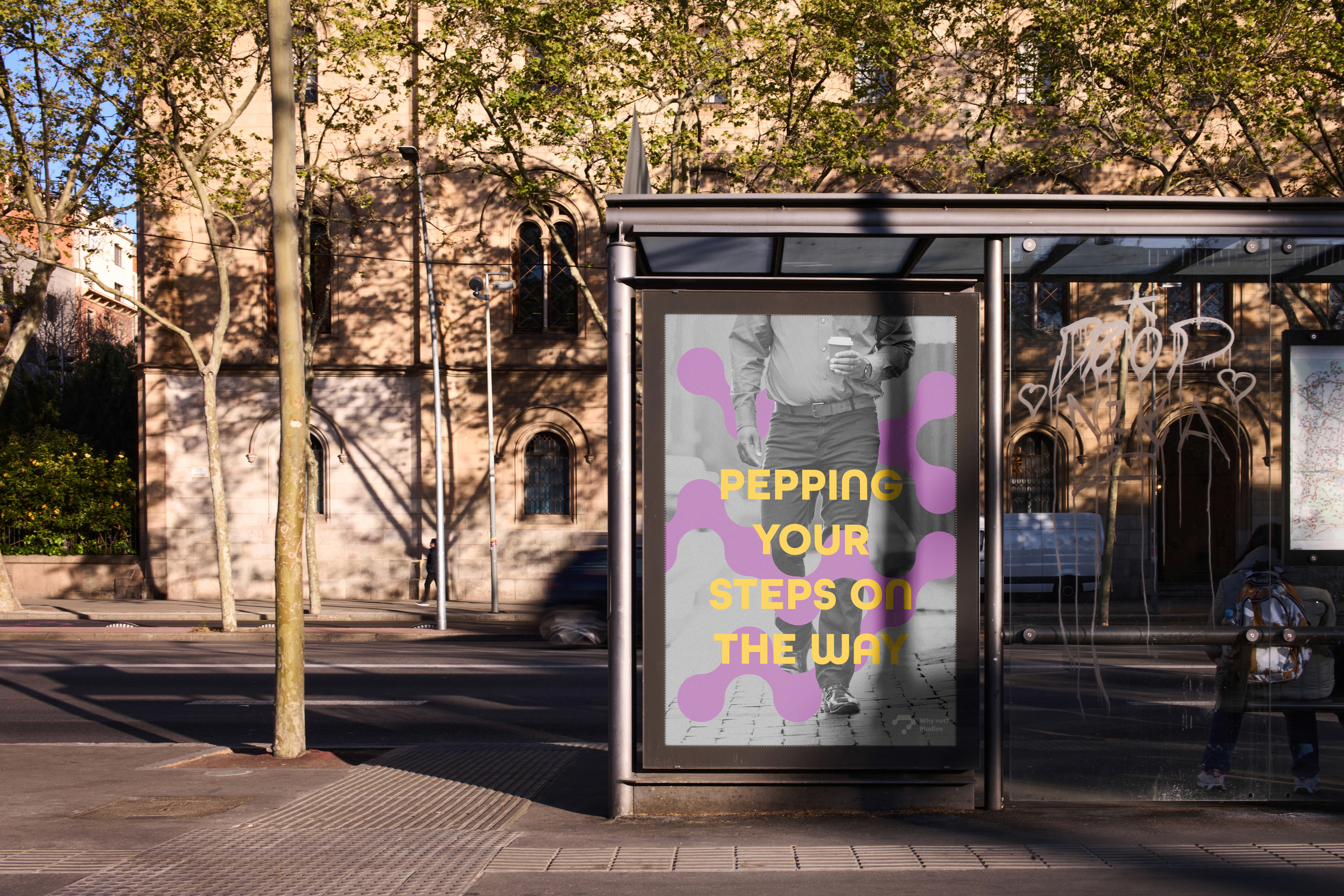
Creating a visual language for the experience.
Visual Identity

Final Outcome