Beneath The Blue
Beneath The Blue
Beneath The Blue
Designing emotional connection through immersive storytelling

Skills

User Research

User Research

Spatial Design

Spatial Design

Multisensory Interaction

Multisensory Interaction

Emotional Storytelling

Emotional Storytelling

Tools

Blender

Blender

Adobe Suite

Adobe Suite

Figma

Figma

Practice

University Project

University Project

Individual

Individual

Timeline

2025

2025

8 Weeks

8 Weeks

The Problem

A Hidden Crisis

Overfishing is often hidden from everyday life, making it difficult for people to fully understand its impact. Current campaigns mainly rely on statistics and information heavy approaches which does raise awareness, but often fails to create a lasting emotional connection or meaningful reflection.

Due to this, many people understand the issue conceptually but struggle to connect with the real damage it causes to ecosystems and communities.

The Solution

The untold story below the surface

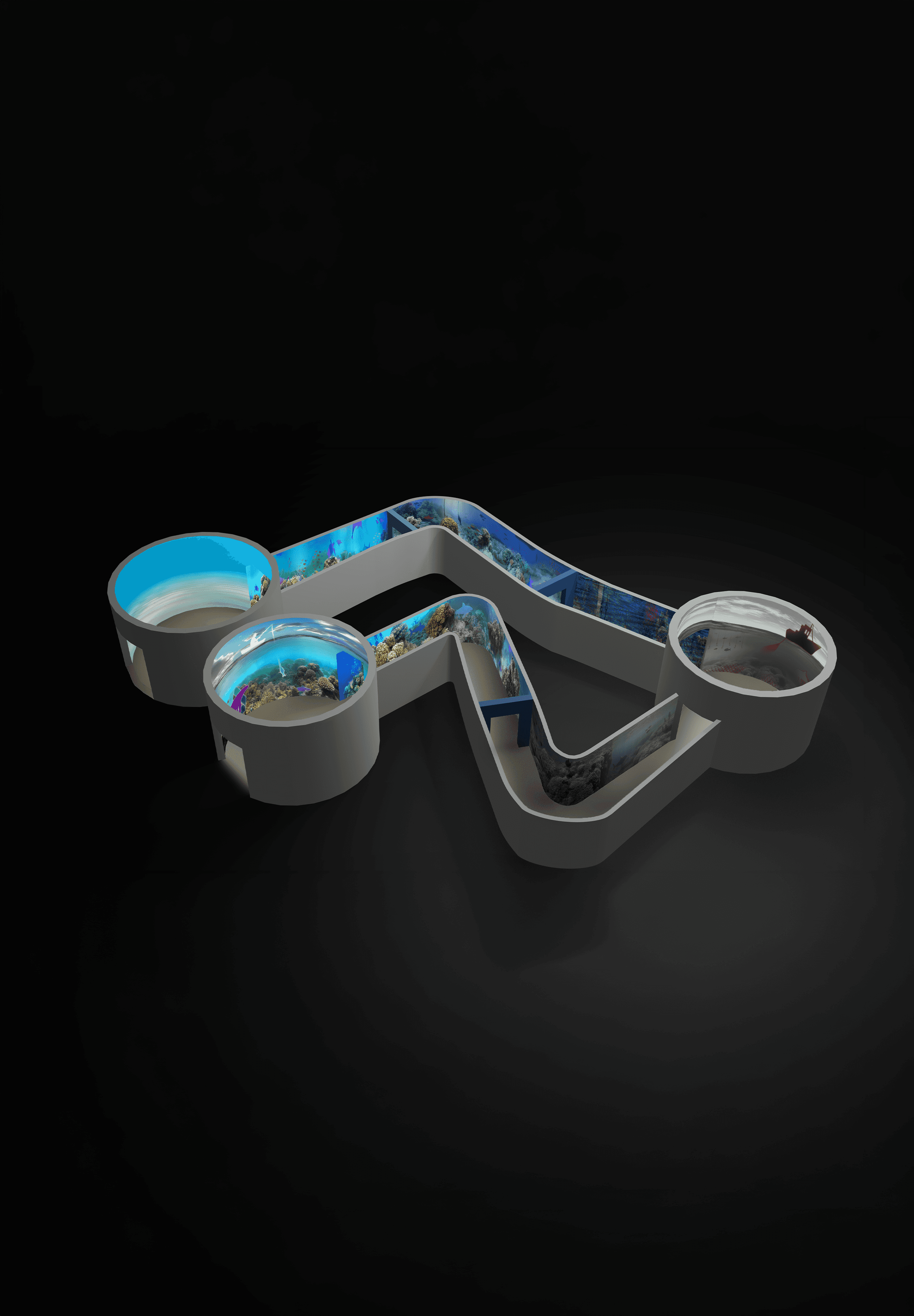
Beneath the Blue is an immersive multi-sensory installation that guides users through a changing underwater environment, emotionally telling the story of overfishing.

Rather than relying on text-heavy information, the experience uses atmosphere, pacing, and emotional storytelling to immerse audiences in the ocean’s environmental transformation.
Defining Success

Success for this project, to me, is measured by the emotional connection it creates rather than the amount of information it communicates. If audiences leave the experience with a greater appreciation for the ocean and a deeper understanding of the effects of overfishing, then the project has achieved its purpose.


(1)

Understanding the environmental issue
Research & Discovery

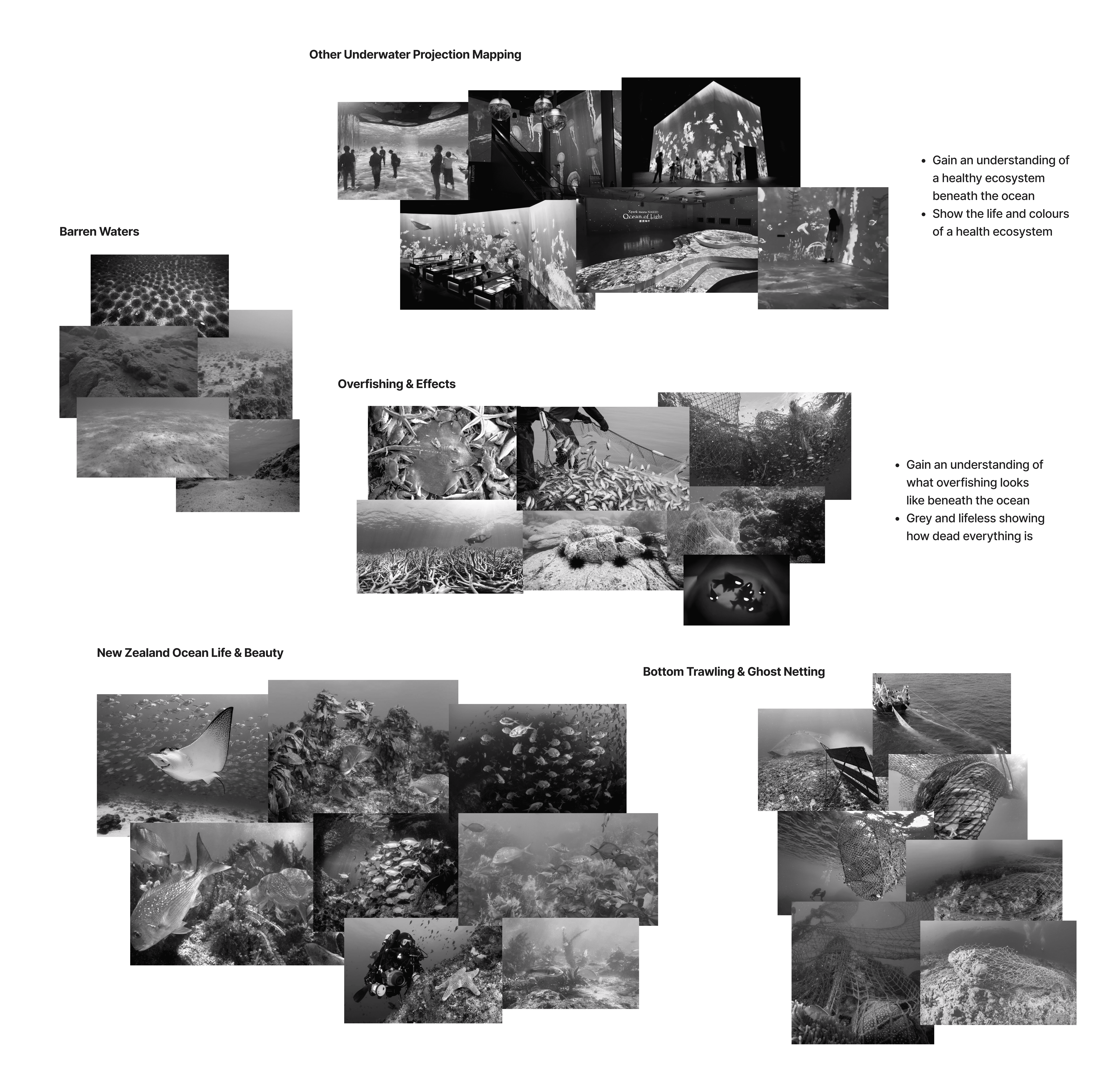
Before exploring potential solutions, I wanted to understand both the environmental issue and the audience I was designing for. I investigated how environmental issues are currently communicated and why many campaigns struggle to create lasting emotional impact

Key Research

Before exploring potential solutions, I wanted to understand both the environmental issue and the audience I was designing for. I investigated how environmental issues are currently communicated and why many campaigns struggle to create lasting emotional impact.

(2)

Identifying target audiences and how they emotionally engage with conservation topics.
Target Audience

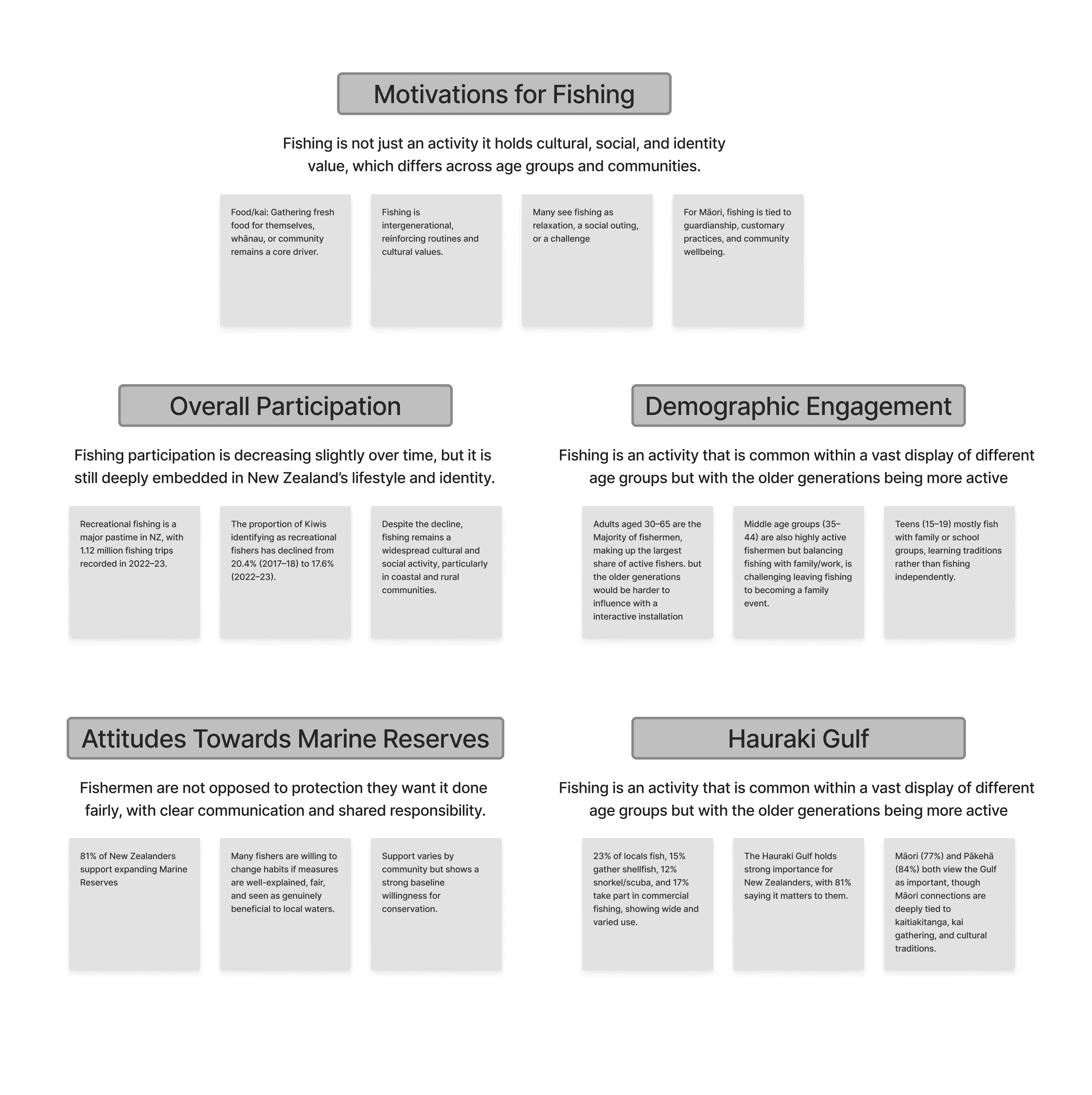
I then explored the behaviours and motivations of families who engage with fishing, as fishing in New Zealand is often experienced as a shared family activity. This research helped identify an opportunity to create an experience that could emotionally engage both side of my audience

I then explored the behaviours and motivations of families who engage with fishing, as fishing in New Zealand is often experienced as a shared family activity. This research helped identify an opportunity to create an experience that could emotionally engage both side of my audience

Target Audience

I then explored the behaviours and motivations of families who engage with fishing, as fishing in New Zealand is often experienced as a shared family activity. This research helped identify an opportunity to create an experience that could emotionally engage both side of my audience

(3)

Exploring how visual, audio, and tactile experiences influence engagement, learning, and emotional connection.
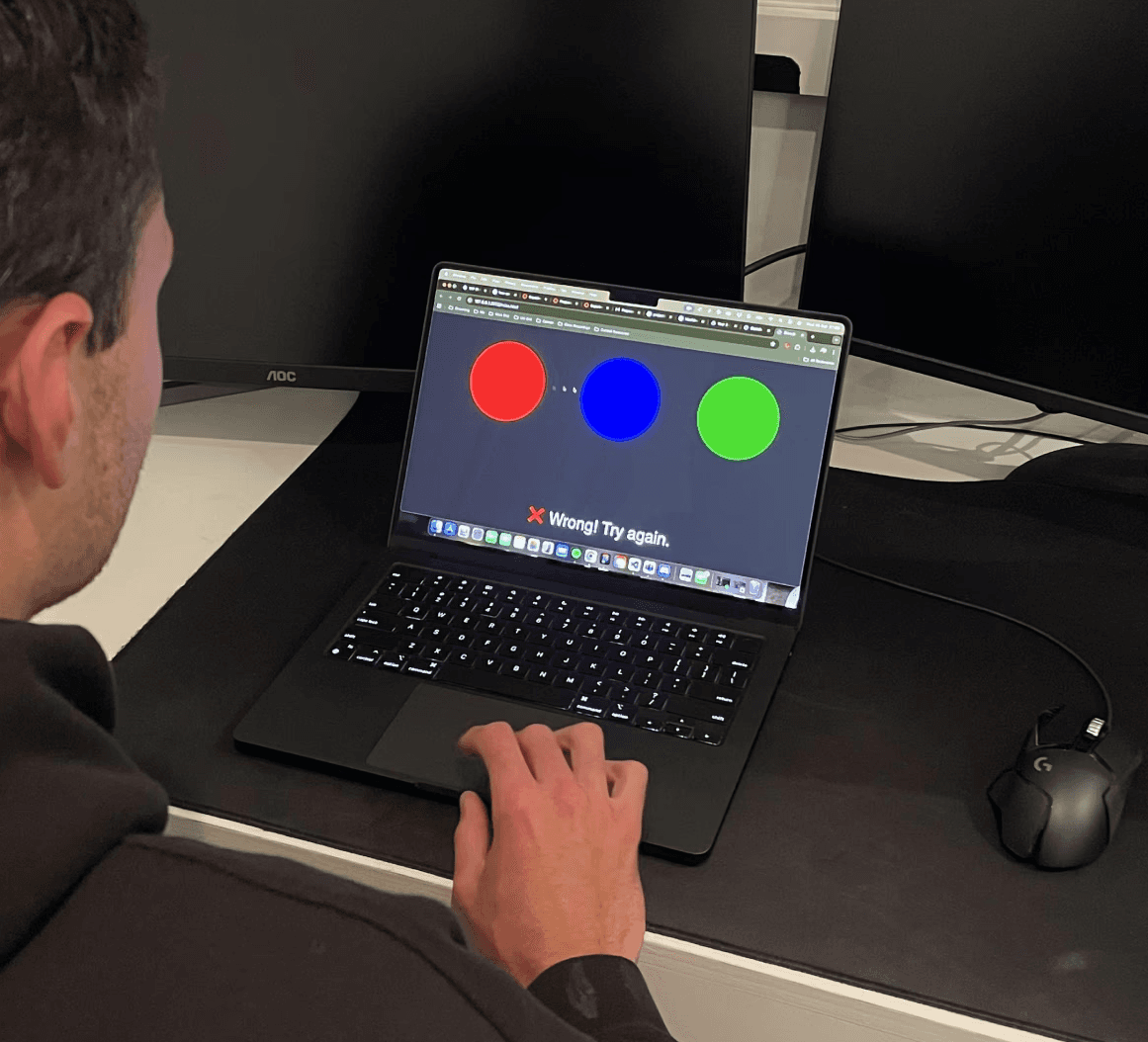
Multisensory Testing

Before designing the installation itself, I wanted to understand how different sensory experiences influence engagement and learning. The testing revealed that atmospheric visuals and subtle audio cues created the strongest emotional connection, while excessive interaction often distracted users from the intended message.

Multisensory Testing

Before designing the installation itself, I wanted to understand how different sensory experiences influence engagement and learning. The testing revealed that atmospheric visuals and subtle audio cues created the strongest emotional connection, while excessive interaction often distracted users from the intended message.

(4)

Investigating how immersive environments use emotion and narrative to communicate complex stories

Storytelling Inspiration
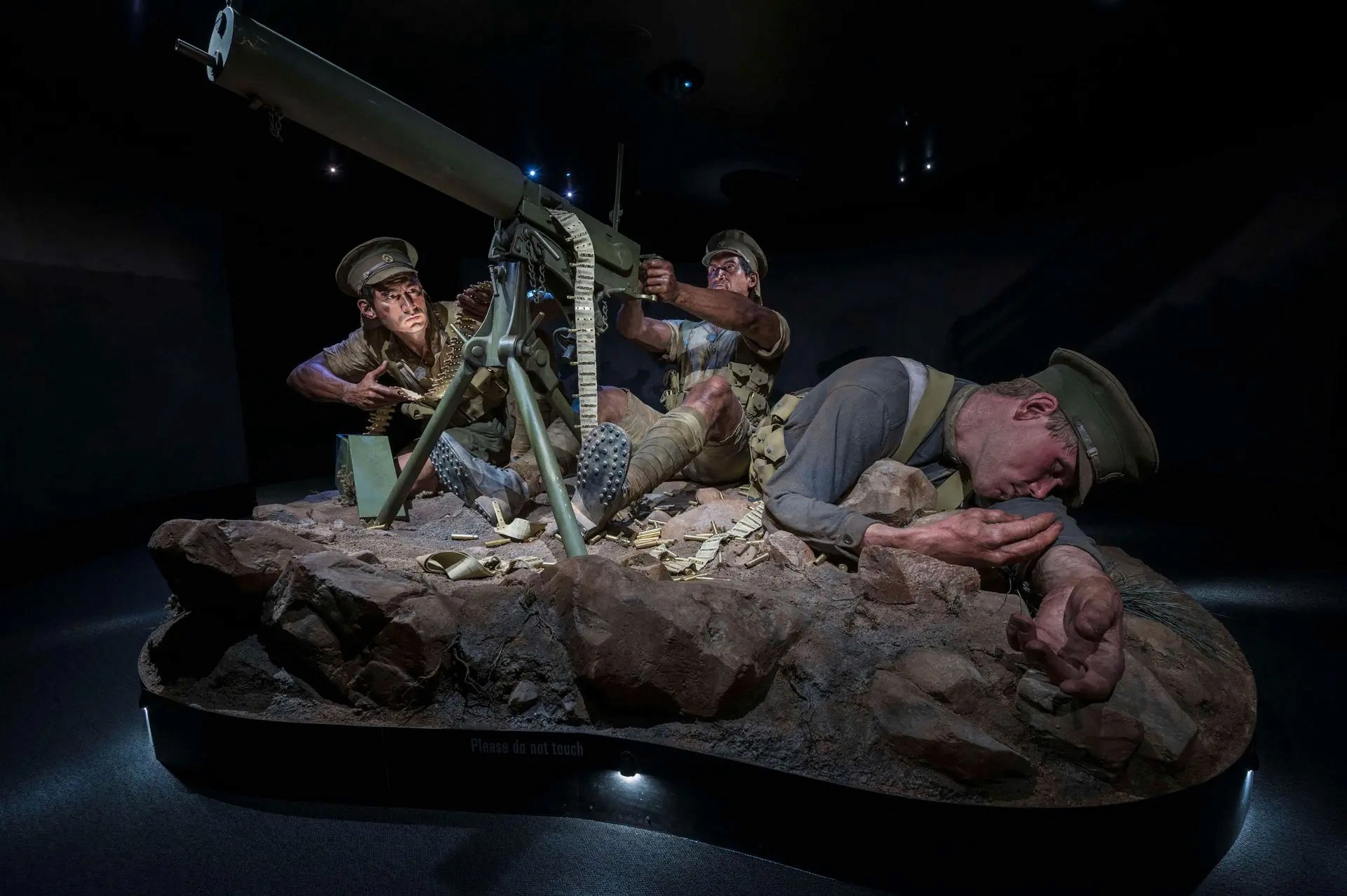
To better understand how immersive experiences can communicate complex topics, I looked into the Gallipoli exhibition at Te Papa in Wellington. This exhibit resonated well with me due to how it demonstrated that emotional pacing and atmosphere can create powerful connections between audiences and challenging subject matter

To better understand how immersive experiences can communicate complex topics, I looked into the Gallipoli exhibition at Te Papa in Wellington. This exhibit resonated well with me due to how it demonstrated that emotional pacing and atmosphere can create powerful connections between audiences and challenging subject matter

To better understand how immersive experiences can communicate complex topics, I looked into the Gallipoli exhibition at Te Papa in Wellington. This exhibit resonated well with me due to how it demonstrated that emotional pacing and atmosphere can create powerful connections between audiences and challenging subject matter

(5)

(5)

Designing how audiences move through space to create a structured emotional and educational journey

Spatial Experience Development
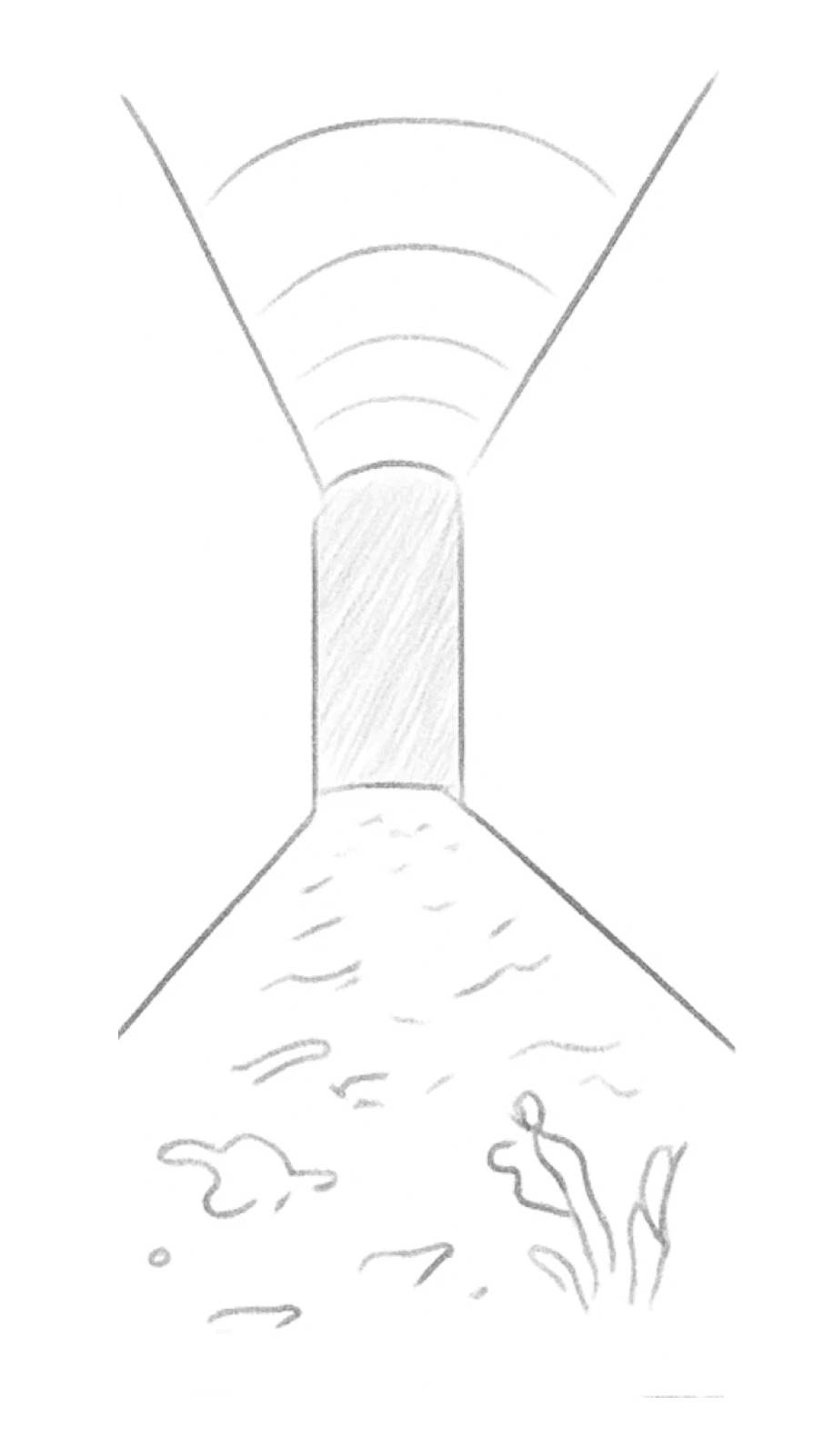
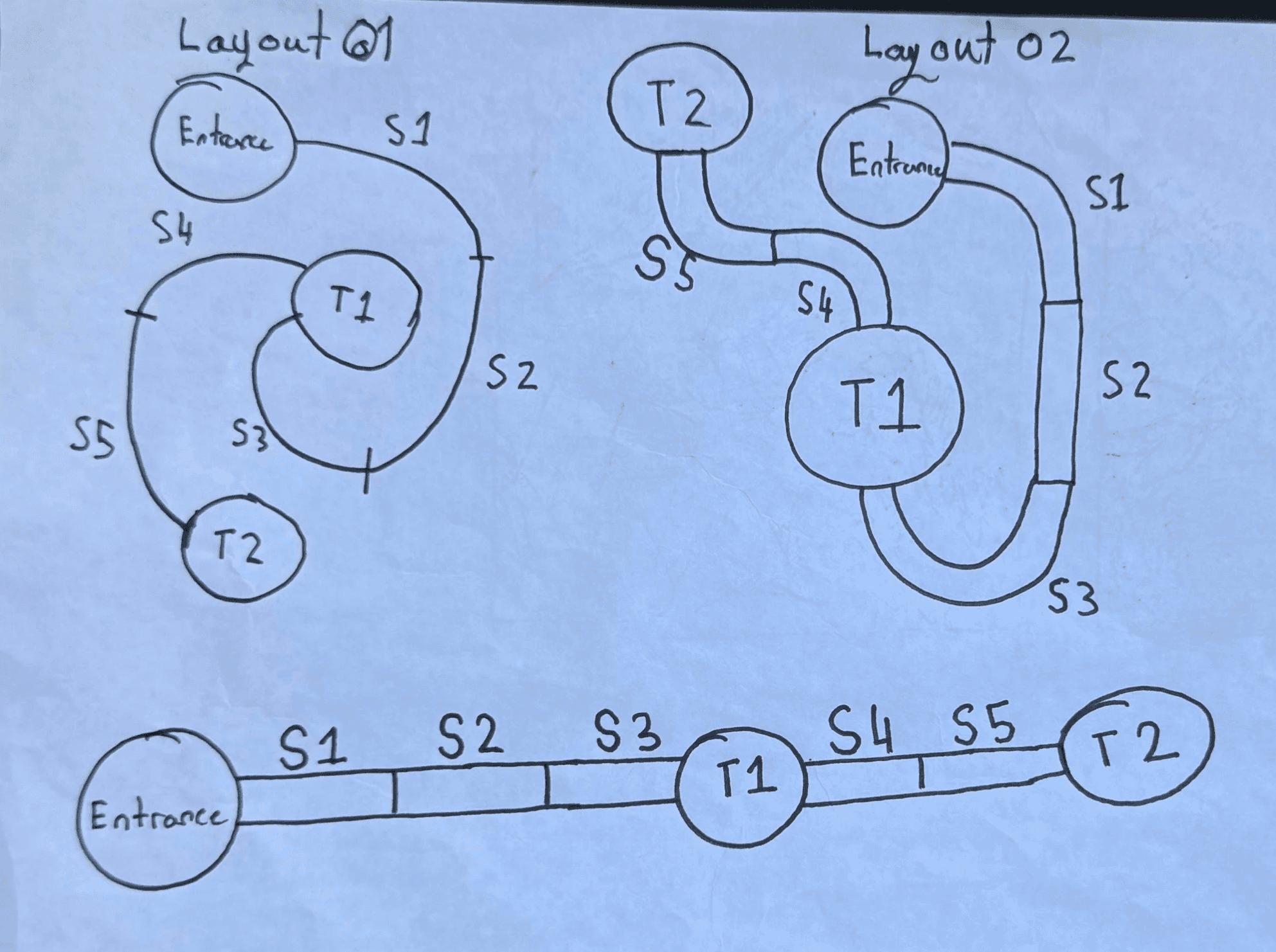
Building on the research and storytelling insights, I began with exploring how the experience could exist physically within a space. I investigated how spatial design could influence audience movement and emotional impact. Different exhibition layouts were explored to understand how the composition and flow could guide visitors naturally through the experience

Building on the research and storytelling insights, I began with exploring how the experience could exist physically within a space. I investigated how spatial design could influence audience movement and emotional impact. Different exhibition layouts were explored to understand how the composition and flow could guide visitors naturally through the experience

Building on the research and storytelling insights, I began with exploring how the experience could exist physically within a space. I investigated how spatial design could influence audience movement and emotional impact. Different exhibition layouts were explored to understand how the composition and flow could guide visitors naturally through the experience

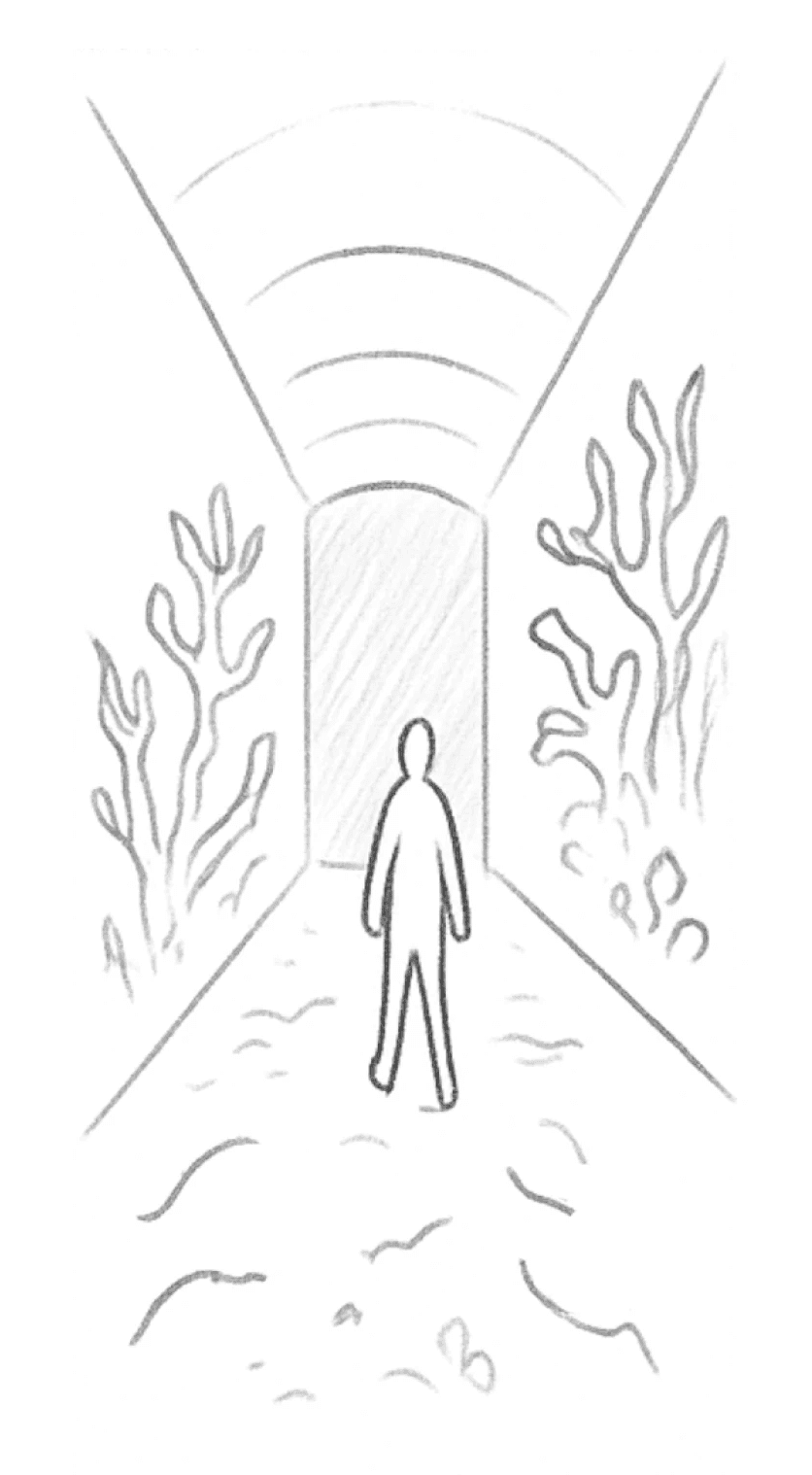
Visualizing Inside the installation

Visualizing Inside the installation

Ideation of the layout

Ideation of the layout

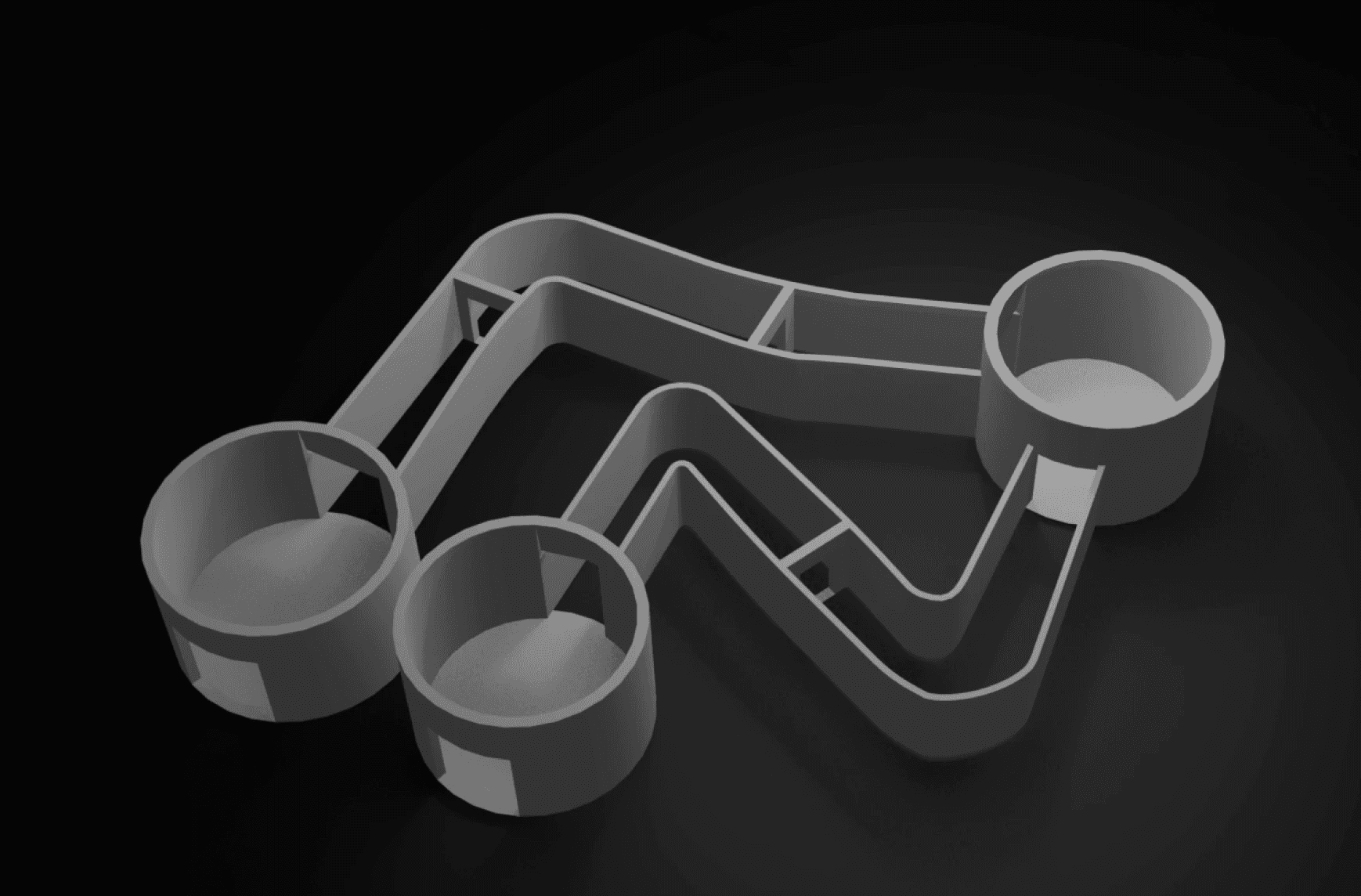
Final Blender layout of scape

Final Blender layout of scape

(6)

Crafting the emotional journey and visual language that would bring the experience to life

Crafting The Narrative

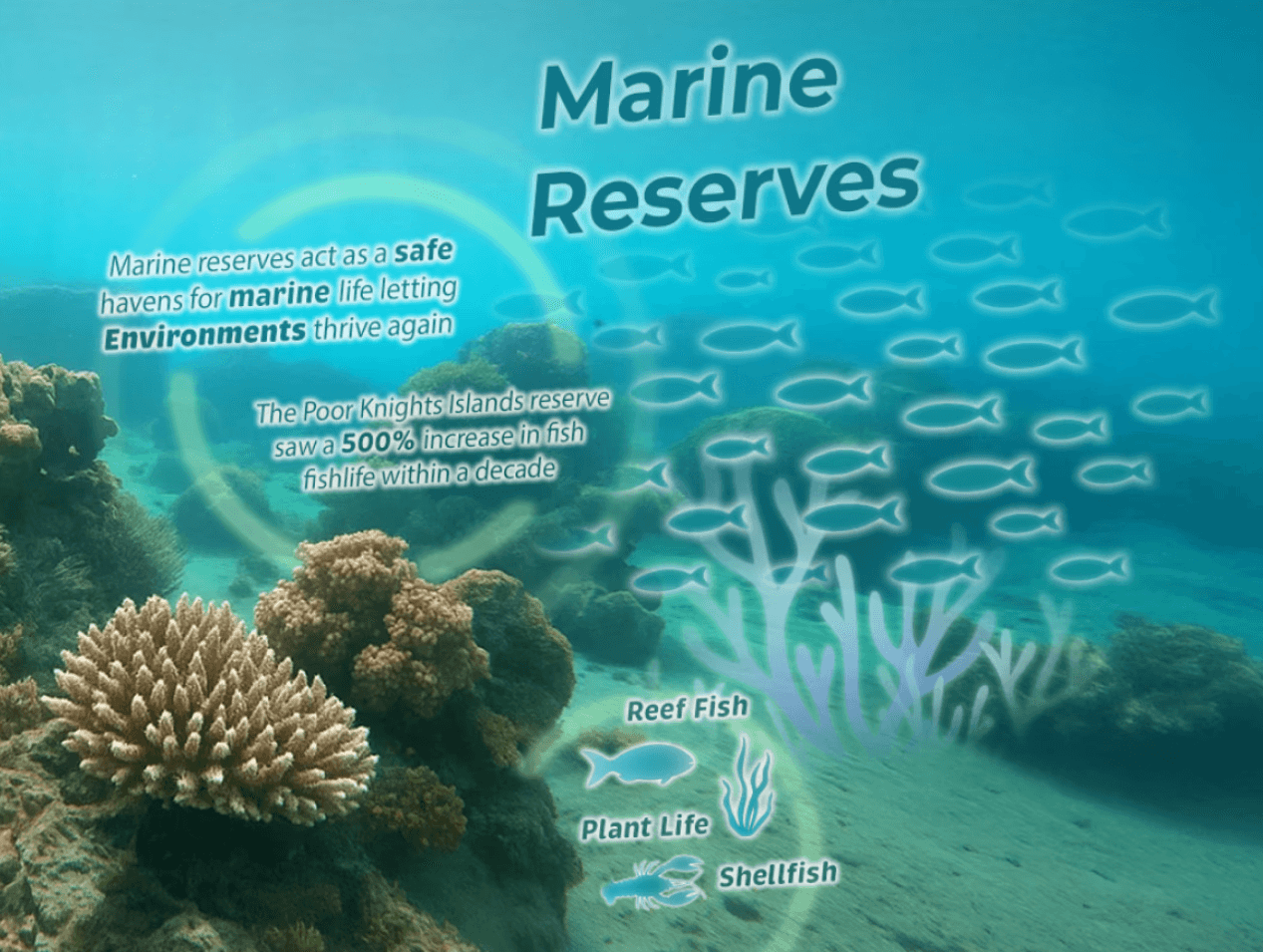
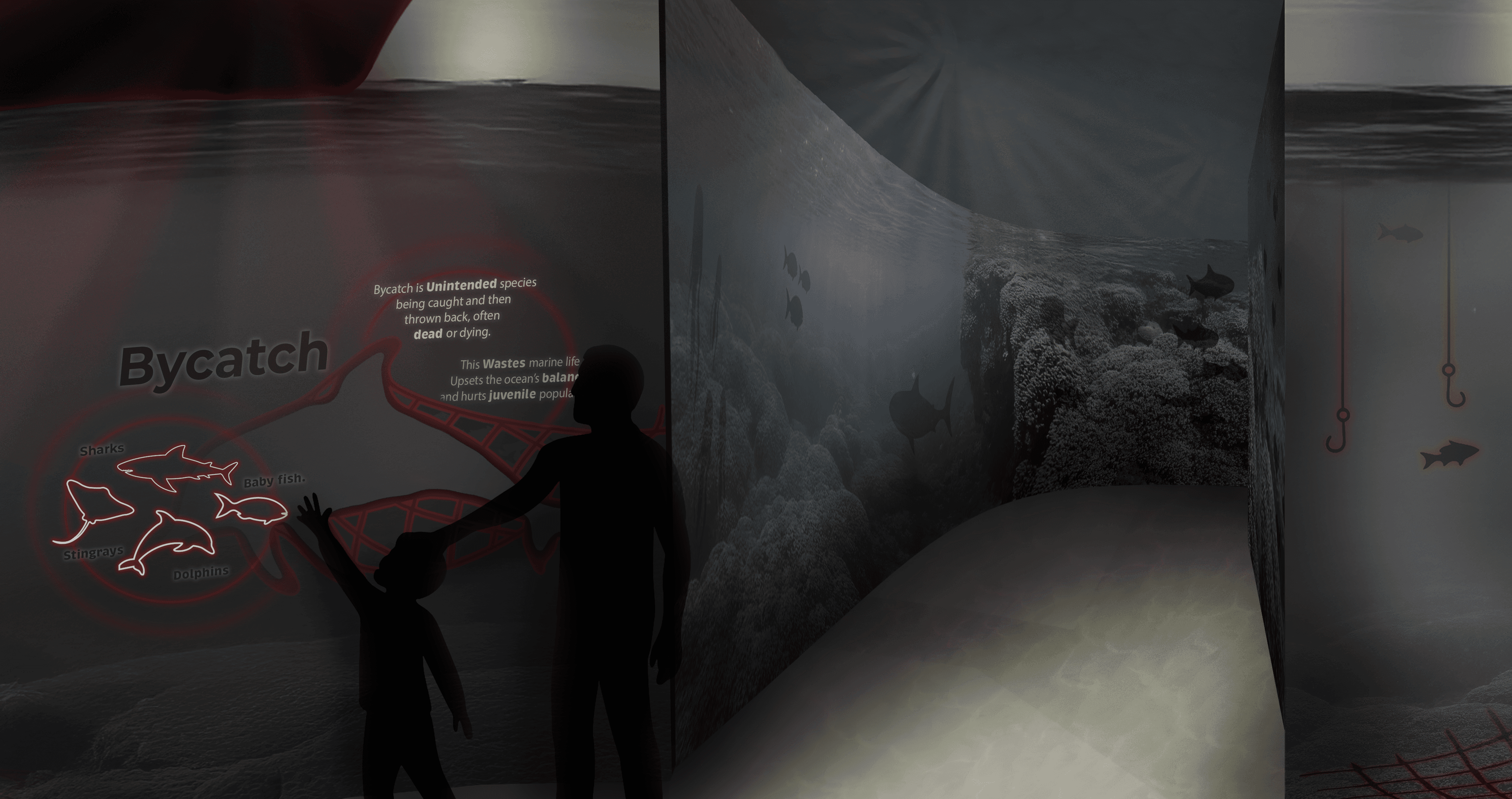
Building on the spatial experience, I focused on developing the narrative and visual language of the installation. The experience evolved into a five-stage journey with each stage designed to communicate a different emotional response. In between these stages was the information areas where individuals could take a step back and grasp and learn about the problem at hand in a more engaging way

Building on the spatial experience, I focused on developing the narrative and visual language of the installation. The experience evolved into a five-stage journey with each stage designed to communicate a different emotional response. In between these stages was the information areas where individuals could take a step back and grasp and learn about the problem at hand in a more engaging way

Planning

Abundance

Decline

Destruction

Aftermath

Recovery

Transitions
Final Outcome
Final Reflection

Words shall come to me some day